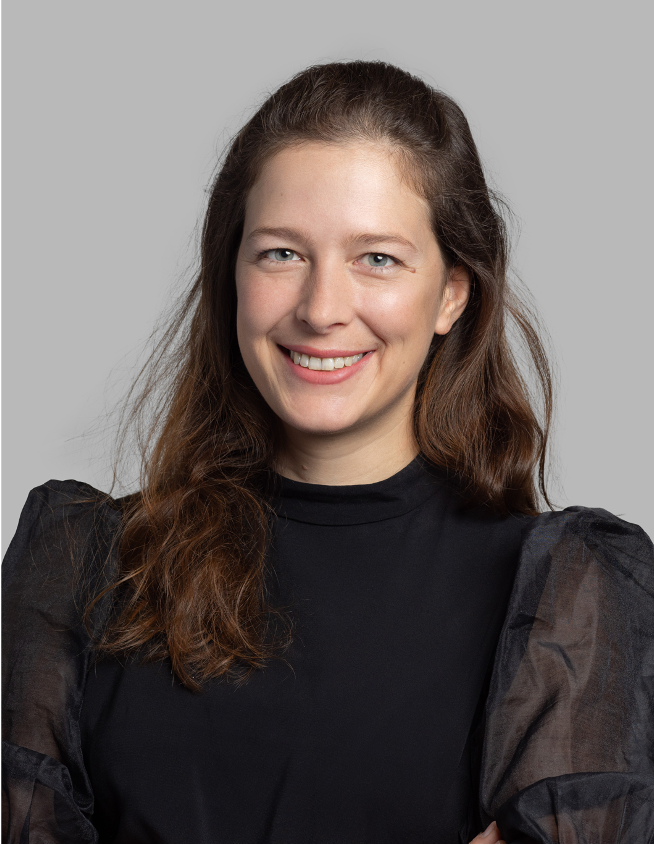

Sarah Brüningk
4 months ago
AI-driven precision therapy in pediatric oncology University of Bern / Inselspital in Switzerland
Degree Level
PhD
Field of study
Oncology
Funding
The PhD positions are fully funded for 3.5 to 4 years, supported by a Swiss National Science Foundation Starting Grant. Funding includes a stipend, tuition coverage, access to high-performance computing, support for conference participation, and opportunities for teaching and mentoring.
Deadline
Expired

Country
Switzerland
University
University of Bern

How do Korean students apply for this?
Sign in for free to reveal details, requirements, and source links.
Where to contact
Official Email
Keywords
About this position
The Center for AI in Radiation Oncology (CAIRO) at the University of Bern is recruiting two fully funded PhD students to work on cutting-edge research in pediatric digital oncology. The projects focus on AI-driven precision therapy for pediatric brain tumors, specifically Diffuse Midline Glioma (DMG), and are supported by a Swiss National Science Foundation Starting Grant. Project 1 centers on predictive modeling for biomarker identification and in-silico therapy design, integrating multi-omics data and developing AI-based frameworks to predict drug response and recommend combination therapies. Project 2 aims to personalize radiotherapy planning and response prediction using computational models and AI-based image analysis, with a focus on improving survival and quality of life for children with DMG.
The interdisciplinary team combines expertise in data science, medical physics, computational biology, and clinical oncology, and collaborates internationally. Applicants should have a Master's degree in a relevant field, strong programming and machine learning skills, and a passion for translational research in pediatric oncology.
The positions offer full funding for 3.5–4 years, access to unique datasets, high-performance computing, and opportunities for teaching, mentoring, and conference participation. Applications are accepted until 30 November 2025 and should be sent as a single PDF to [email protected]. For more details, visit the provided links.
Funding details
The PhD positions are fully funded for 3.5 to 4 years, supported by a Swiss National Science Foundation Starting Grant. Funding includes a stipend, tuition coverage, access to high-performance computing, support for conference participation, and opportunities for teaching and mentoring.
What's required
Applicants must hold a Master's degree in a relevant field such as computational biology, computer science, data science, physics, biomedical engineering, or medical physics. Solid programming skills in Python and experience with machine learning frameworks (PyTorch, TensorFlow, MONAI) are required. Experience with omics data integration, medical imaging, mechanistic modeling, and ML/AI is preferred. Candidates should be motivated to work in a collaborative, interdisciplinary environment and possess good communication skills and proficiency in English. Interest in translational research and pediatric oncology is essential.
How to apply
Submit a single PDF containing your CV, cover letter (1–2 pages) outlining motivation and preferred project, academic transcripts, and contact information for two references or letters of recommendation. Email your application to [email protected] with the subject line: 'PhD Application – Pediatric Digital Oncology'. Applications are reviewed on a rolling basis until filled.
Ask ApplyKite AI
Professors
How do Korean students apply for this?
Sign in for free to reveal details, requirements, and source links.