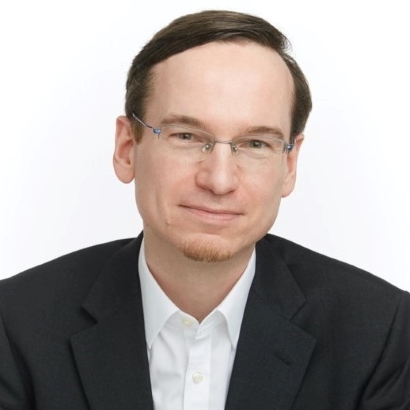

Marcus Kaiser
3 months ago
Testing a Wearable Use-at-Home Device for Mental Health Conditions: Noninvasive Ultrasound Stimulation of the Auricular Branch of the Vagus Nerve University of Nottingham in United Kingdom
Degree Level
PhD
Field of study
Psychology
Funding
Funded PhD Project (Students Worldwide)
Deadline
Expired

Country
United Kingdom
University
University of Nottingham

How do Korean students apply for this?
Sign in for free to reveal details, requirements, and source links.
Where to contact
Official Email
Keywords
About this position
This fully funded PhD project at the University of Nottingham, in collaboration with the University of Birmingham, explores the use of a novel wearable device (Zenbud) for noninvasive ultrasound stimulation of the auricular branch of the vagus nerve to treat mental health conditions such as depression and anxiety. Brain stimulation is an established NICE-approved intervention for depression, but current methods like transcranial magnetic stimulation (TMS) require hospital-based administration, limiting accessibility and increasing costs. The Zenbud device offers a promising alternative, enabling at-home brain stimulation and potentially expanding treatment access to a wider patient population.
Recent pilot studies using the Zenbud device have demonstrated significant reductions in anxiety symptoms (over 50% within three weeks) and improvements in depression scores among anxiety patients, with interventions delivered for just five minutes per day at home. This project will involve testing the device's outcomes by observing changes in mood and depression scores, as well as physiological effects such as heart rate variability. The student will also investigate patient experiences and work to identify optimal methods for delivering ultrasound vagus nerve stimulation.
Depending on the project's outcomes, there will be opportunities to contribute to the design of future clinical trials, working across research centers at both the University of Nottingham and the University of Birmingham. The research areas span biomedical engineering, neuroscience, medical science, psychology, and machine learning, providing a multidisciplinary environment for the successful candidate.
The position is supervised by Professor Marcus Kaiser (University of Nottingham), Dr. Paul Briley (University of Nottingham), and Professor Steven Marwaha (University of Birmingham). The studentship is funded by the Medical Research Council for four years and includes a stipend, tuition fees (for both home and international students), a laptop allowance, a research training and support grant (£5,000 per annum), and a travel allowance (£300 per annum).
Applications are welcome from home, EU, and international candidates, though international recruitment is capped at 30% of the cohort. Applicants should have a strong academic background in biomedical engineering, medical science, neuroscience, or psychology. Experience in clinical research, medical devices, or mental health is advantageous. For further details and to apply, visit the MRC AIM website. The application deadline is 12:00 pm GMT on January 9, 2026.
References supporting the research include recent studies on brain stimulation and neuromodulation for depression and anxiety, highlighting the scientific foundation and innovative nature of this project.
Funding details
Funded PhD Project (Students Worldwide)
What's required
Applicants are welcome from home, EU, and international backgrounds. International recruitment is capped at 30% of the cohort due to funder stipulations. Candidates should have a strong academic background relevant to biomedical engineering, medical science, neuroscience, or psychology. Specific degree level, GPA, or language requirements are not detailed, but competitive applicants will likely hold a first or upper second class degree (or equivalent) in a related discipline. Experience in clinical research, medical devices, or mental health is advantageous.
How to apply
Submit your application via the MRC AIM website. Review the eligibility criteria and complete the application form provided online. For project-specific enquiries, contact the lead supervisor. Ensure your application is submitted before the deadline.
Ask ApplyKite AI
Professors

How do Korean students apply for this?
Sign in for free to reveal details, requirements, and source links.