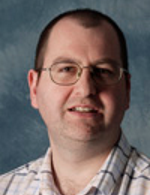
professor profile picture

Douglas Morrison

Professor at Scottish Universities Environmental Research Centre

University of Glasgow

Country flag

United Kingdom

This profile is automatically generated from trusted academic sources.

Google Scholar

.

ORCID

.

LinkedIn

Social connections

How do Pakistani students reach out?

Sign in for free to see their profile details and contact information.

Meet Kite AI

Contact this professor

Send an email
LinkedIn
ORCID
Google Scholar

Research Interests

Biochemistry

20%

Clinical Nutrition

40%

Gut Microbiota

50%

Metabolic Biology

30%

Nutrition

20%

Intestinal Biology

20%

Glucose Metabolism

20%

Ask ApplyKite AI

Start chatting
How can you help me contact this professor?
What are this professor's research interests?
How should I write an email to this professor?

Recent Grants

Grant: Close

Manipulating the activity of the gut microbiota with fermentable carbohydrates to maximise the bioavailability of bioactive phenolic acids for health

Open Date: 2015-08-31

Close Date: 2018-08-30

Grant: Close

Using crop genetics to understand the importance of dietary resistant starches for maintaining healthy glucose homeostasis

Open Date: 2014-09-30

Close Date: 2017-09-29

Grant: Close

Regulating Appetite by Targeting Nutrient Delivery in the Gut

Open Date: 2014-02-01

Close Date: 2016-01-31

Grant: Close

Emulsion structure: a novel mechanism of delivering fatty acids to regulate gut function and satiety.

Open Date: 2011-07-31

Close Date: 2015-01-31

Grant: Close

BBSRC DRINC Training Grant 2010

Open Date: 2010-09-30

Close Date: 2014-09-29

Positions1

Publisher
source

Douglas Morrison

University Name
.

University of Glasgow

PhD in System-Level Tracing of Human Metabolism Using Orbitrap Isotope Ratio Mass Spectrometry

This PhD project at the University of Glasgow offers a unique opportunity to advance system-level tracing of human metabolism in health and disease using Orbitrap Isotope Ratio Mass Spectrometry (IRMS). The research will focus on developing analytical workflows for human samples, primarily employing D2O labelling experiments to trace metabolism at whole-body, tissue, and cellular levels. Two main themes are central: tracing dietary response to understand nutrient production across the gut and microbiome, and using D2O labelling in surgical patients to investigate tissue and cellular metabolism in tumours and healthy tissue, aiming to uncover dysregulated pathways linked to tumour metastasis and recurrence. The student will join the Stable Isotope Biochemistry Laboratory at SUERC, collaborating with experts in Clinical Cancer Sciences and Human Metabolism. SUERC, in partnership with Thermo Fisher Scientific, has established the UK's first ultra-high resolution Orbitrap IRMS facility. Orbitrap IRMS offers significant advantages over traditional magnetic sector IRMS, including greater sensitivity and the ability to quantify multiple isotope systems simultaneously. This enables comprehensive tracing of labelled metabolites in human studies on a single platform. As part of the project, the student will work with Thermo Fisher Scientific specialists to develop data extraction, analysis, and reporting pipelines. The training will cover isotope tracer study design, Orbitrap isotope methodology, sample workflows, and advanced data analysis, positioning the student at the forefront of this technology with excellent prospects in academia and industry. Applicants should have strong backgrounds in chemistry, analytical chemistry, quantitative biochemistry, or related fields. Experience in mass spectrometry and data analysis is beneficial but not essential, as full training will be provided. The project is open to international applicants. The studentship provides full financial support, including tuition fees, a UKRI-aligned stipend for 42 months, and coverage of laboratory and research travel costs. The student will be based at SUERC in East Kilbride, joining a cohort of six PhD students in a collaborative mini-CDT focused on developing next-generation analytical technologies and advancing geochronology approaches. There are opportunities for extended placements at Thermo Fisher Scientific’s R&D hub in Bremen, Germany, offering hands-on experience in instrument design and prototyping. This close industry partnership will provide valuable insights into translating analytical concepts into research applications. To apply, visit the University of Glasgow College of Science and Engineering Graduate School application portal. Clearly state the project title, list the primary SUERC supervisor, and select SUERC as the host department. The anticipated start date is September 2026. For further information, contact Professor Douglas Morrison at [email protected].

just-published

Articles9

Collaborators13

Susan Ozanne

Professor of Developmental Endocrinology

University of Cambridge

UNITED KINGDOM

James P. R. Connolly

-

UNITED KINGDOM

Hannah Harris

Quadram Institute Bioscience

UNITED KINGDOM

Andrew F. Brouwer

University of Michigan

UNITED STATES

Aine Clare O'Brien

University of Glasgow

UNITED KINGDOM

Tom Preston

University of Glasgow

UNITED KINGDOM

Emilie Combet

Professor of Human Nutrition

University of Glasgow

UNITED KINGDOM

Claire Bourke

Lecturer in Infection & Immunology

Queen Mary University of London

UNITED KINGDOM

Paul Kelly

Professor

Queen Mary University of London

UNITED KINGDOM

Marissa Tremblay

Assistant Professor

Purdue University

UNITED STATES

Christine Edwards

Professor

University of Glasgow

UNITED KINGDOM

Alexander James Thompson

Lecturer

Imperial College London

UNITED KINGDOM

Stuart Gray

Senior Lecturer in Exercise and Metabolic Health

University of Glasgow

UNITED KINGDOM