
John H Viles
4 months ago
Amyloid-beta Structure and Membrane Interactions in Alzheimer’s Disease (PhD Studentship) Queen Mary University of London in United Kingdom
Degree Level
PhD
Field of study
Neuroscience
Funding
Funded PhD Project (Students Worldwide)
Deadline
Expired

Country
United Kingdom
University
Queen Mary University of London

How do Turkish students apply for this?
Sign in for free to reveal details, requirements, and source links.
Where to contact
Keywords
About this position
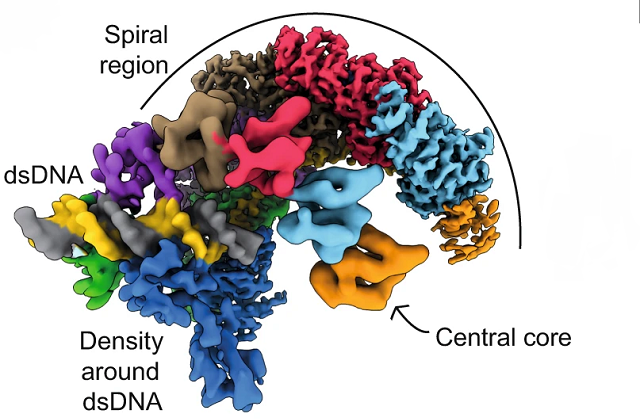
This PhD project at Queen Mary University of London investigates the molecular mechanisms underlying amyloid-beta (Aβ) structure and its interactions with cellular membranes in Alzheimer’s disease (AD). AD is a devastating neurodegenerative disorder affecting millions worldwide, with the misfolding and assembly of the Aβ peptide playing a central role in disease progression. The Viles group has recently characterized a range of Aβ oligomeric structures using advanced cryo-EM techniques, revealing how these assemblies disrupt lipid bilayers and compromise membrane integrity, leading to neuronal toxicity.
The project is divided into three main objectives: (1) elucidating the structure of Aβ oligomers and their interactions with cellular membranes, (2) understanding how these oligomers affect cell membrane permeability, and (3) studying the kinetics of Aβ assembly, including the impact of amyloid cross-seeding and lipid composition. The research environment is highly supportive, featuring state-of-the-art facilities such as high-resolution TEM, cryo-TEM, micro-plate readers for kinetic studies, optical spectrometers, and world-class cell-culture and microscopy resources. The Viles lab is well-funded and has a strong track record of successful PhD supervision. This studentship is part of a joint scholarship programme between Queen Mary and the China Scholarship Council (CSC), offering full tuition coverage and living expenses for eligible Chinese applicants.
Candidates should have a strong background in biochemistry, biophysics, structural biology, or neurochemistry, and meet the English language requirements. The application process involves submitting a formal online application, identifying as a CSC Scholar, and providing all required documentation before the deadline. Shortlisted candidates will be interviewed, and successful applicants will receive a conditional offer pending CSC scholarship approval. This is an excellent opportunity to join a vibrant research group and contribute to cutting-edge research in Alzheimer’s disease.
Funding details
Funded PhD Project (Students Worldwide)
What's required
Applicants must be citizens and permanent residents of the People’s Republic of China, hold a Chinese passport, and be applying for CSC funding. Candidates should have or expect to receive a first or upper-second class honours degree and a Master’s degree in a relevant area such as Biochemistry, Biophysics, Structural Biology, or Neuro-Chemistry. Knowledge of protein structure, protein biophysics, electron microscopy, and cell culture is advantageous but not required. All applicants must meet the IELTS requirements for the course and upload evidence before the CSC application deadline, ideally by March 1, 2026. All required documentation, including CV, personal statement, English language certificate, academic transcripts, degree certificates, and references, must be submitted before the deadline.
How to apply
Submit a formal application through the Queen Mary online form by January 28, 2026, identifying yourself as a 'CSC Scholar' in the funding section. Upload all required documents including CV, personal statement, English language certificate, academic transcripts, degree certificates, and references. Shortlisted applicants will be invited for a formal interview. After receiving a QMUL Offer Letter, apply to CSC for the scholarship with supervisor support.
Ask ApplyKite AI
Professors
How do Turkish students apply for this?
Sign in for free to reveal details, requirements, and source links.