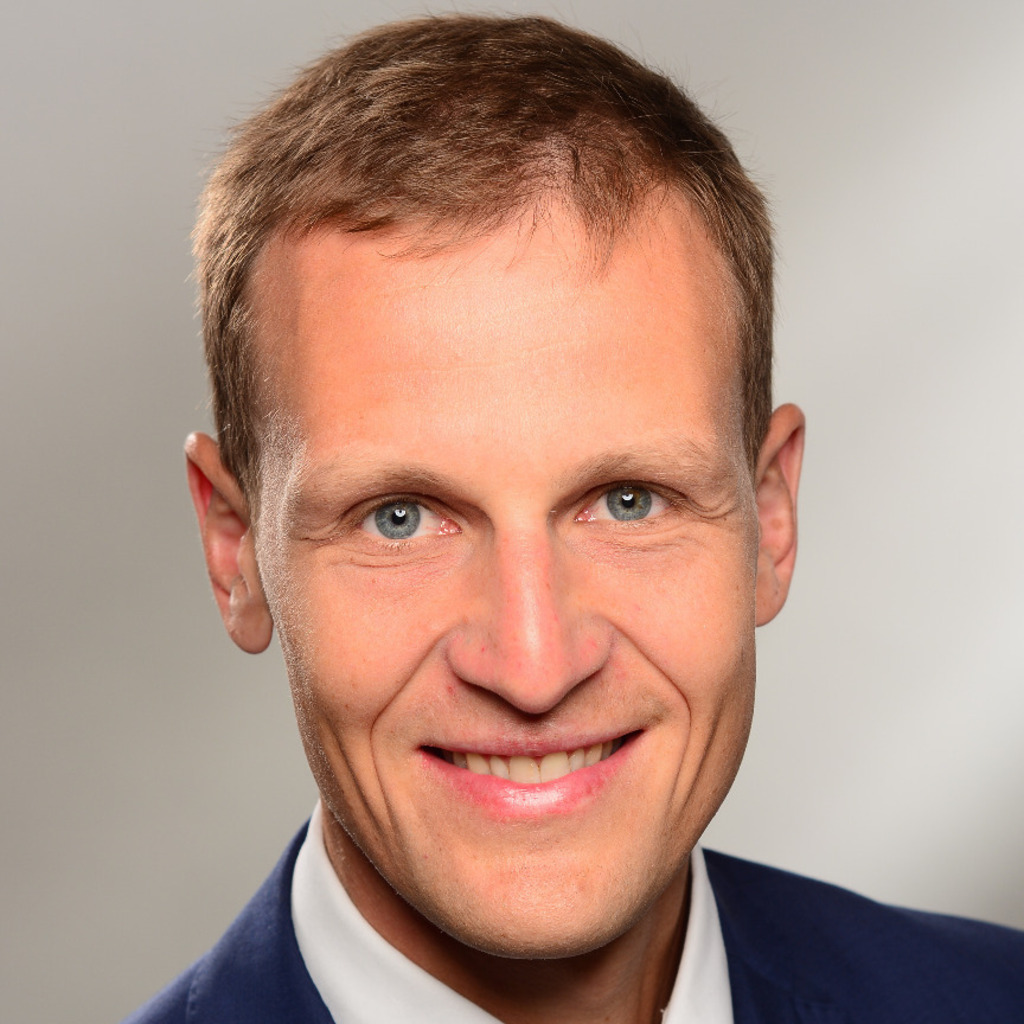

Sven Friedemann
Top university
4 months ago
Tuning the Strange-metal Phase in Cuprate Superconductors with High Pressure University of Bristol in United Kingdom
Degree Level
PhD
Field of study
Experimental Physics
Funding
Funded PhD Project (Students Worldwide)
Deadline
Expired

Country
United Kingdom
University
University of Bristol

How do Turkish students apply for this?
Sign in for free to reveal details, requirements, and source links.
Where to contact
Keywords
About this position
This PhD project at the University of Bristol's School of Physics focuses on investigating the strange-metal phase in cuprate superconductors using high-pressure techniques. Cuprate superconductors are known for their record-high transition temperatures at ambient pressure, but the underlying mechanism of superconductivity remains elusive. Traditional theories rely on coherent electronic states forming Cooper pairs, but recent research suggests that incoherent electronic states may also play a significant role.
The project aims to study the crossover from the strange-metal phase, characterized by incoherent electronic transport, to the standard Fermi-liquid behavior of coherent quasiparticles. By applying high pressure to high-quality samples, the research will preserve material purity and reveal intrinsic behaviors, potentially uncovering the missing link between the strange-metal phase and normal metal Fermi liquid. The successful candidate will use electrical transport measurements to map coherent and incoherent contributions, analyzing resistivity, magnetoresistance, and Hall effect data.
The project is supervised by Dr. Sven Friedemann and Professor Nigel Hussey, with support from J Buhot, and involves collaboration with international facilities such as the European High Magnetic Field laboratories. The School of Physics at Bristol offers a vibrant graduate research community, comprehensive induction and training programs, and strong support for diversity and career development.
Funding is available for home students, covering living expenses, tuition, and training, with a limited number of fully-funded places for outstanding international candidates. Applicants should have a strong background in physics or a related field and meet the university's English language requirements.
The application deadline is January 19, 2026. For more information, contact the Bristol Physics Graduate School at [email protected].
Funding details
Funded PhD Project (Students Worldwide)
What's required
Applicants must have a first degree in physics or a related subject, normally at a level equivalent to at least UK upper second-class honours, or a relevant postgraduate master's qualification. International applicants should consult the University of Bristol's International Office for country-specific requirements. If English is not your first language, you must meet English Language Profile F as specified by the university.
How to apply
Apply through the University of Bristol application system, selecting Physics PhD on the Programme Choice page. Submit a CV, personal statement, and transcripts. Specify 'Bristol Physics Research Scholarships' as your funding source. Early application is encouraged; shortlisted candidates will be interviewed.
Ask ApplyKite AI
Professors

How do Turkish students apply for this?
Sign in for free to reveal details, requirements, and source links.