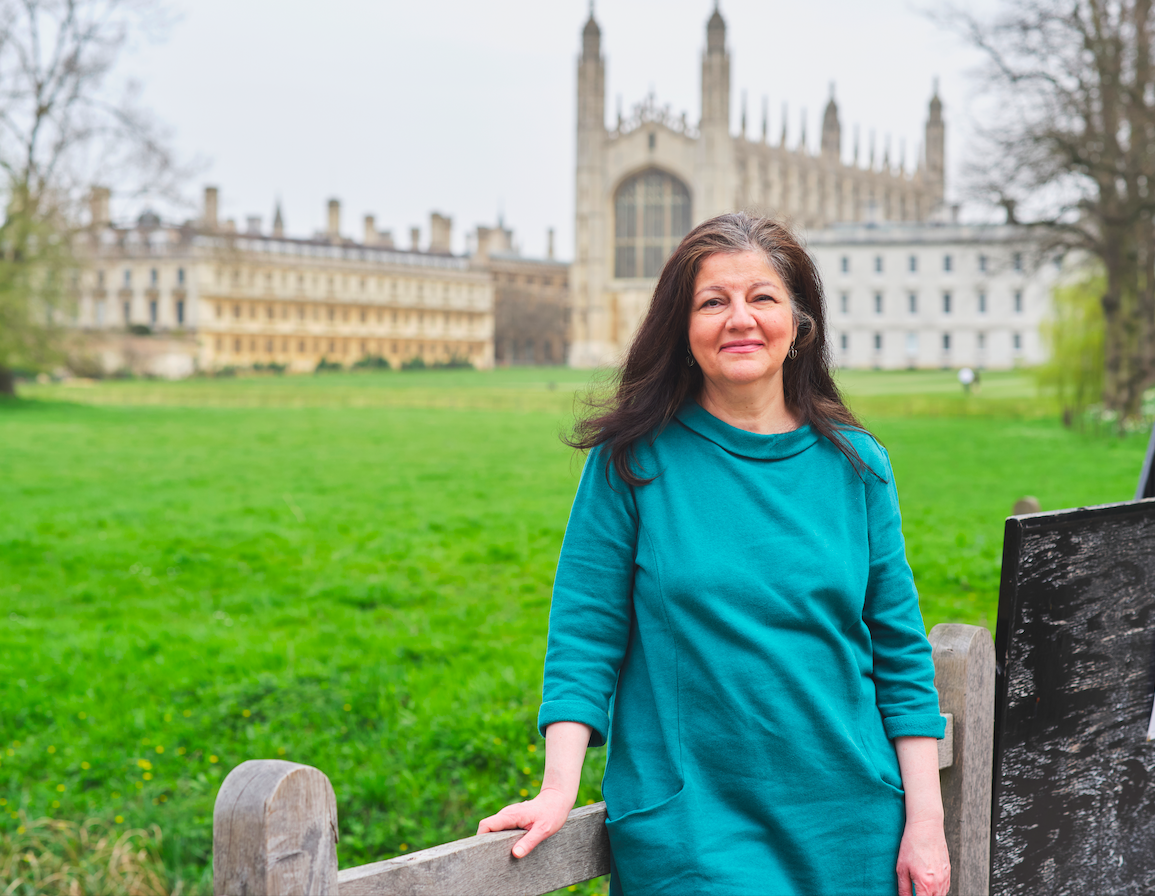

Abir Al-Tabbaa
Top university
5 months ago
EPSRC FIBE3 CDT PhD Studentship with Tracey Concrete: Low-carbon Cements for Precast Concrete in Aggressive Ground University of Cambridge in United Kingdom
Degree Level
PhD
Field of study
Environmental Science
Funding
Fully-funded studentships (fees and maintenance) for eligible home students; limited funding for international students may be available.
Deadline
Expired

Country
United Kingdom
University
University of Cambridge

How do Vietnamese students apply for this?
Sign in for free to reveal details, requirements, and source links.
Where to contact
Official Email
Keywords
About this position
This is a four-year (1+3 MRes/PhD) studentship funded through the Cambridge EPSRC Centre for Doctoral Training in Future Infrastructure and Built Environment: Unlocking Net Zero (FIBE3 CDT). Further details can be found at https://www.net-zero-fibe-cdt.eng.cam.ac.uk/
The project is funded in collaboration with Tracey Concrete, a market leader in precast concrete manufacturing employing innovative production processes and are actively exploring the incorporation of new materials, technologies and designs in their operations to achieve zero-carbon construction elements.
The construction industry is under increasing pressure to reduce its carbon footprint while ensuring long-term performance of infrastructure, particularly in environments that accelerate material degradation. This PhD aims to develop and advance the use of low-carbon cements in precast concrete in aggressive ground for a range of buried structures. Precast concrete involves various types of concrete and offers a controlled environment for material innovation and quality assurance, making it an ideal platform for deploying alternative binders and next-generation low carbon cements.
The research will focus on characterising and evaluating the mechanical performance, durability, and sustainability of both commercially available and novel cements in concrete embedded in a range of aggressive ground conditions. These are contexts in which durability standards are critically important.
A central motivation for the project is the recognised limitation of the BRE Special Digest 1, last updated in 2005, which remains the primary reference for concrete in aggressive ground. Since its publication, significant advances have been made in low-carbon binder technologies yet current standards fail to reflect their performance characteristics. This gap hinders wider adoption in practice.
The project aims to generate a robust scientific evidence base to inform updates to design and specification guidance, with a particular focus on re-evaluating the cement contents prescribed in BRE SD1. By assessing the relevance of existing requirements to modern low-carbon binders, the research will investigate the potential for reducing cement content - thereby lowering the carbon footprint - while maintaining or enhancing the intended mechanical and durability performance. The work will deliver essential data on durability, microstructural development, and long-term behaviour, providing the foundation for performance-based specifications that enable more sustainable, resource-efficient, and climate-friendly concrete production.
For project-specific enquiries please e-mail Prof. Abir Al-Tabbaa [email protected] For general enquiries, please email [email protected] .
Applicants should have (or expect to obtain by the start date) at least a high 2.1 degree preferably at Masters level in Civil Engineering and a strong interest in cementitious materials and experimental work.
Fully-funded studentships (fees and maintenance) are only available for eligible home students in the first instance. A limited number of international students can be considered for funding at a later stage in the recruitment process.
Further details about eligibility and funding can be found at:
https://www.postgraduate.study.cam.ac.uk/finance/fees
https://www.cambridgetrust.org/scholarships/
Applications should be made online via the University of Cambridge Applicant Portal: (via the above ‘Apply’ button) stating course code EGEGR3 with Project: Low-carbon cements for precast concrete in aggressive ground with Prof. Abir Al-Tabbaa. Please note that there is a £20 application fee.
Applications will be reviewed soon after they are received, hence early applications are strongly encouraged as an offer may be made before the stated deadline.
The University actively supports equality, diversity and inclusion and encourages applications from all sections of society.
Funding details
Fully-funded studentships (fees and maintenance) for eligible home students; limited funding for international students may be available.
What's required
Applicants should have, or expect to obtain by the start date, at least a high 2.1 degree preferably at Masters level in Civil Engineering and a strong interest in cementitious materials and experimental work.
How to apply
Apply online via the University of Cambridge Applicant Portal, stating course code EGEGR3 and the project title with Prof. Abir Al-Tabbaa. Early applications are encouraged as offers may be made before the stated deadline. There is a £20 application fee.
Ask ApplyKite AI
Professors
How do Vietnamese students apply for this?
Sign in for free to reveal details, requirements, and source links.