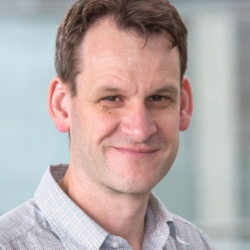
professor profile picture

Kevin Murphy

Professor at Department of Metabolism, Digestion & Reproduction

Imperial College London

Country flag

United Kingdom

This profile is automatically generated from trusted academic sources.

Google Scholar

.

ORCID

.

LinkedIn

Social connections

How do Vietnamese students reach out?

Sign in for free to see their profile details and contact information.

Meet Kite AI

Contact this professor

Send an email
LinkedIn
ORCID
Google Scholar

Research Interests

Clinical Nutrition

40%

Exercise Physiology

20%

Appetite Regulation

30%

Diet

20%

Metabolism

20%

Insulin Resistance

20%

Hormone Biology

20%

Ask ApplyKite AI

Start chatting
How can you help me contact this professor?
What are this professor's research interests?
How should I write an email to this professor?

Recent Grants

Grant: Close

Understanding the interplay between fermentable carbohydrate, colonic short chain fatty acid profile and gut hormone release

Open Date: 2016-07-31

Close Date: 2020-04-29

Grant: Close

Regulating Appetite by Targeting Nutrient Delivery in the Gut

Open Date: 2014-02-01

Close Date: 2016-01-31

Grant: Close

The role of T1R1/T1R3 in satiety

Open Date: 2013-02-01

Close Date: 2018-03-30

Grant: Close

Developing a novel model to assess the specificity of appetite-reducing agents

Open Date: 2012-09-30

Close Date: 2015-09-29

Grant: Close

Developing novel technologies to target amino acids to specific gut regions to increase satiety

Open Date: 2012-03-31

Close Date: 2015-03-30

Positions1

Publisher
source

Kevin Murphy

University Name
.

Imperial College London

Seeing the Invisible: Ultrasound Imaging of Metabolism in Living Animals

This PhD project, 'Seeing the Invisible: Ultrasound Imaging of Metabolism in Living Animals', offers a unique opportunity to work at the cutting edge of biomedical imaging. Hosted at Imperial College London within the Department of Metabolism, Digestion & Reproduction, you will join a world-class, multi-institutional team pioneering genetically encoded acoustic reporter genes (ARGs)—a breakthrough technology likened to a 'GFP for ultrasound' that enables visualization of specific cell populations deep within living animals. The research aims to address critical questions about how the body regulates blood glucose and body weight, focusing on pancreatic beta cells and gut enteroendocrine cells, which are central to appetite and blood sugar control and underpin transformative medicines like semaglutide. Currently, these cells cannot be non-invasively observed functioning in real time inside a living animal, and this project seeks to change that paradigm. You will employ transgenic mouse models to track cell numbers, calcium signalling, and inflammatory activation across the intact pancreas and gut. The project involves close collaboration with imaging physicists, feeding biological findings into ultrasound algorithm development, and working at the interface of biology and engineering. Training will cover a broad range of highly marketable techniques, including Cre-dependent genetic systems, transgenic mouse colony management, in vivo metabolic phenotyping (glucose tolerance, insulin secretion, body composition), and advanced ultrasound imaging acquisition and super-resolution image analysis. Collaboration is integral, with leading groups at the Department of Bioengineering, Imperial College, King’s College London, TU Delft, and Caltech. The group policy encourages students to publish their work and present at international conferences, providing excellent exposure and career development opportunities. Applicants should hold a first or upper second class degree (or international equivalent) in biology, biochemistry, physiology, neuroscience, or a closely related discipline. A Master’s degree is desirable but not essential. Candidates with strong backgrounds in physiology, pharmacology, or in vivo biology are particularly encouraged to apply. Imperial College English language requirements apply. The position is fully funded for three years, offering a tax-free stipend of £23,805 per annum and covering tuition fees at the Home student rate. Applications are accepted year round. To apply, send a full CV (including the names and contact details of two academic referees) and a Personal Statement describing your research interests and motivation to Professor Kevin Murphy at [email protected]. Informal enquiries are welcomed at the same address. This project is ideal for students interested in biomedical imaging, metabolism, molecular biology, and interdisciplinary research at the interface of biology and engineering, with access to state-of-the-art facilities and world-leading academic staff.

NaN years ago

Articles10

Collaborators6

Moira Dean

Professor

The Queen's University Belfast

UNITED KINGDOM

Chioma Izzi‐Engbeaya

-

UNITED KINGDOM

Bryn Owen

Lecturer in Molecular Endocrinology

Imperial College London

UNITED KINGDOM

Victoria Salem

Senior Clinical Lecturer

Imperial College London

UNITED KINGDOM

Edward S. Chambers

-

UNITED KINGDOM

Amir H. Sam

-

UNITED KINGDOM