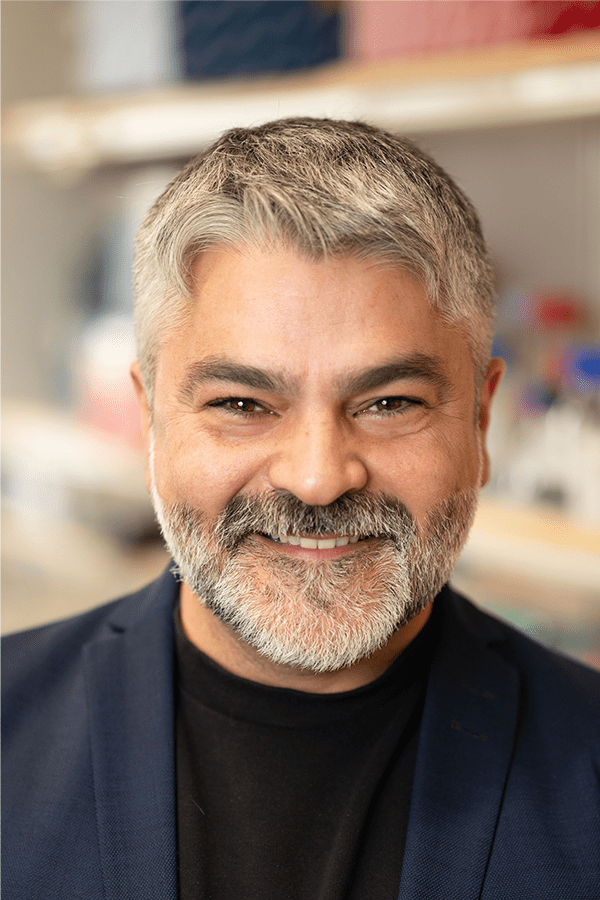

Eduardo Villablanca
2 weeks ago
Karolinska Institutet Postdoctoral Scholarship
Postdoctoral studies in Gut-Driven Mechanisms of Extraintestinal Disease (scholarship) Karolinska Institutet in Sweden
Degree Level
Postdoc
Field of study
Biology
Funding
Full funding availableDeadline
December 31, 2026
Country
Sweden
University
Karolinska Institutet

How do I apply for this?
Sign in for free to reveal details, requirements, and source links.
Where to contact
Official Email
Keywords
About this position
This postdoctoral scholarship at Karolinska Institutet offers an exciting opportunity to investigate gut-driven mechanisms of extraintestinal disease, focusing on the transcriptomic landscape of intestinal tissue regeneration and its implications for conditions such as inflammatory bowel disease (IBD), colorectal cancer (CRC), and autoimmune diseases like multiple sclerosis. The research integrates CRISPR-based functional genomics, metabolomic profiling, and advanced immunological techniques to study immune–epithelial crosstalk during inflammation and tissue repair, using both experimental models and patient-derived materials.
The position is based in the laboratory of Associate Professor Eduardo Villablanca, a leader in mucosal immunology, within the Department of Medicine, Solna, at the Immunology and Allergy division. The group employs cutting-edge technologies, including single-cell and spatial transcriptomics, to understand how intestinal homeostasis is maintained and disrupted. The research environment is multidisciplinary, with close collaborations between clinicians, experimentalists, and bioinformaticians, and access to state-of-the-art facilities at one of the world's leading medical universities.
The successful candidate will work on projects involving IL-17 biology, immunometabolism, CRISPR-based functional genomics, and translational inflammation research. Duties include data quality control, management, and archival storage; analysis of high-parameter flow cytometry; preparation of cell suspensions; in vivo models; and support for ongoing research, paper writing, and grant applications. The role also involves shaping and maintaining the group's computing resources, with an interest in machine learning approaches considered advantageous.
Applicants must have a Ph.D. or M.D./Ph.D. in immunology or computational biology, with a strong background in gamma delta cell biology, immunometabolism, epigenetic regulation, and statistical/computational biology. Extensive experience with in vivo mouse models, immune cell isolation, high-parameter flow cytometry, Seahorse-based metabolic assays, chromatin immunoprecipitation, and transcriptional analyses is required. A strong publication record and fluency in English are essential. The scholarship is open only to foreign researchers who have not previously studied or resided in Sweden.
The scholarship is tax-free, granted for up to two years (in twelve-month periods, paid every six months), and aims to promote internationalization and research qualification after a doctorate. The application must be submitted via the Varbi recruitment system and include a CV, publication list, and a summary of current work. For more information about the research group, visit the group website. The application deadline is April 15, 2026.
Funding details
Full funding including tuition fees and living expenses is available for this position. The scholarship covers all educational costs and provides a monthly stipend.
How to apply
Please submit your application including a cover letter, CV, academic transcripts, and contact information for two references. Applications should be sent via the online portal before the deadline.
Ask ApplyKite AI
Professors
How do I apply for this?
Sign in for free to reveal details, requirements, and source links.