The U.S. Office of Research Integrity sanctioned Chen-Yeh "George" Ke, a former postdoctoral researcher at the Icahn School of Medicine at Mount Sinai, for manipulating research images in federal grant progress reports and a manuscript submission.
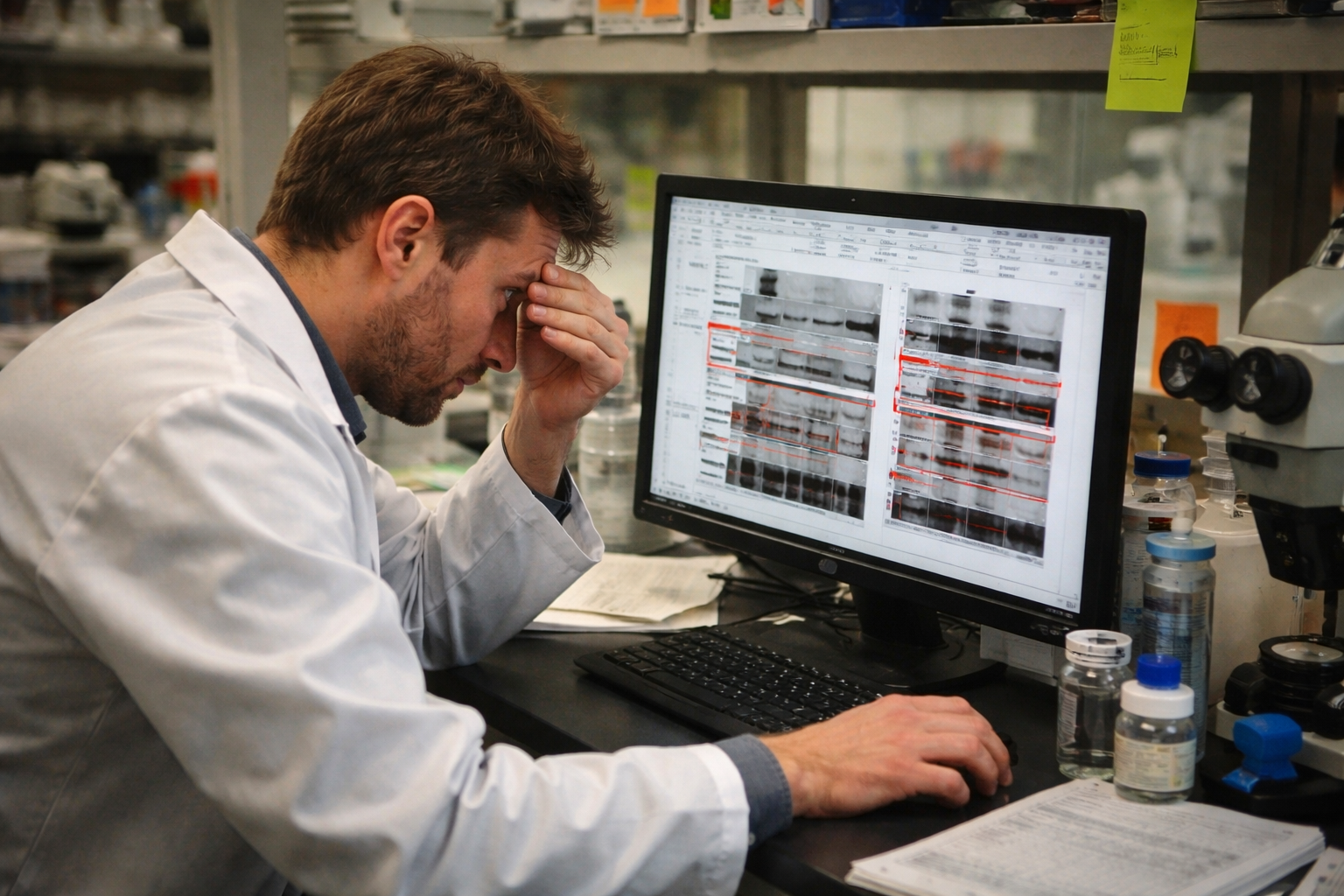
The misconduct occurred while Ke worked as a postdoc at the New York institution. ORI investigators found he falsified and fabricated Western blot images in two separate grant update reports submitted to federal agencies, along with similar violations in an academic paper.

Details of the Research Misconduct Case
According to ORI's findings, Ke committed multiple violations of federal research standards:
Image manipulation: Altered Western blot results to show different protein expression patterns than what actually occurred in experiments.
Grant report violations: Submitted falsified data in progress updates to federal funding agencies, potentially affecting continued funding decisions.
Manuscript falsification: Included manipulated images in a research paper submitted for publication.
The investigation concluded in March 2024, with ORI imposing standard sanctions including supervision requirements for future federal research and mandatory research integrity training.
What This Means for International Students
This case highlights critical risks that international postdocs face in U.S. research environments. Many international researchers feel intense pressure to produce results quickly, especially when visa status depends on research progress and funding continuation.
The consequences extend far beyond academic penalties. Research misconduct findings can:
Permanently damage your academic reputation and career prospects
Affect visa status and future immigration applications
Result in termination from your current position
Make it nearly impossible to secure future research positions or funding
For international students and postdocs, understanding U.S. research integrity standards isn't optional — it's career survival. The pressure to publish and secure funding can feel overwhelming, particularly when your legal status depends on maintaining your research position.
Looking for fully funded?
Discover PhD, Master's, and Postdoc positions tailored to your goals with ApplyKite's smart AI tools.
What You Should Do Now
If you're an international researcher in the U.S., take these immediate steps to protect yourself:
Learn the rules thoroughly. Every institution has research integrity offices that provide training. Attend these sessions, ask questions, and understand what constitutes misconduct in your field.
Document everything. Keep detailed lab notebooks, save original data files, and maintain clear records of your experimental procedures. This protects you if questions arise later.
Seek guidance when unsure. If you're uncertain about data presentation, image processing, or statistical analysis, consult with senior researchers or your institution's research integrity office before proceeding.
Build a support network. Connect with other international researchers who understand the unique pressures you face. Many universities have international scholar associations that provide both professional and personal support.
Know your reporting options. If you witness potential misconduct, understand the proper channels for reporting concerns. Most institutions protect whistleblowers, but knowing the process helps you act appropriately.
Research Integrity by the Numbers
Aspect | Key Information |
Investigation Timeline | Cases typically take 12-18 months to resolve |
Career Impact | Most researchers never recover professionally |
International Risk | Visa status may be affected by misconduct findings |
Prevention | 95% of cases preventable through proper training |
Building a Sustainable Research Career
The pressure to succeed in competitive research environments is real, but compromising research integrity never pays off. Instead, focus on building sustainable research practices:
Start with solid experimental design. Poor planning leads to weak results, which creates temptation to manipulate data. Invest time upfront in proper methodology.
Collaborate with experienced researchers who can mentor you through challenges. Many senior scientists have faced similar pressures and can offer guidance on managing expectations while maintaining integrity.
Remember that negative results are still valuable results. The pressure to show positive outcomes in every experiment isn't realistic or scientific. Learn to present null findings professionally.
The Mount Sinai case serves as a reminder that research integrity violations have lasting consequences. For international researchers building careers in the U.S., protecting your reputation through ethical research practices isn't just good science — it's the foundation of your future success.