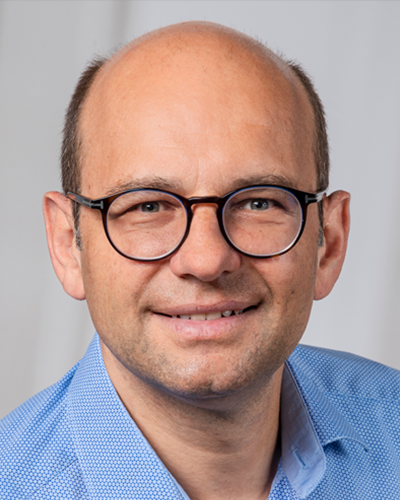
Marc Freichel profile picture

Marc Freichel

Professor at Heidelberg University

Heidelberg University
Country flag
Germany

Research Interests

Explore related searches

Contact this professor

LinkedIn
ORCID
Google Scholar

Positions (1)

Publisher
source

Marc Freichel

University Name
.

Heidelberg University

PhD Student in Cardiovascular Ca2+ Signaling and Disease Models – Institute of Pharmacology, Heidelberg University

This PhD position is available at the Institute of Pharmacology, Faculty of Medicine, Heidelberg University, in the department led by Prof. Dr. Marc Freichel. The research group investigates Ca2+ signaling pathways in cellular and integrative organ functions, with a particular focus on TRP and Ca2+ channels in both plasma membranes and acidic organelles such as endo-lysosomes. The group’s expertise spans transgenic approaches, genome editing, cell (ES, iPS) and animal models, and AAV vector technologies, all employed to generate disease models, identify new drug targets, and validate small-molecule compounds. The advertised PhD project centers on a newly identified transmembrane protein in endo-lysosomes of cardiomyocytes. The research aims to elucidate the protein’s role in the regulation of arrhythmias and cardiac metabolism, both critical factors in the development of cardiomyopathies. The project involves molecular and cellular experimental approaches to characterize the protein’s functional properties and analyze its relevance for pathophysiological processes in the heart. The work is integrated into several collaborative research networks, including the German Centre for Cardiovascular Research (DZHK), TR-SFB 152, and SFB 1550. Applicants should be highly motivated graduates in life sciences, including biochemistry and pharmacy, with a strong interest in independent scientific work and teamwork. Experience or knowledge in isolation, culture, and characterization of primary cell systems, FACS, histology, fluorescence microscopy, electrophysiology, molecular biology, biochemical methods, OMICs-based gene expression analysis, metabolome, proteome, or secretome analyses, and animal studies with disease models is desirable. Very good English language skills are required. A valid measles immunity certificate is mandatory for employment at UKHD. The position offers a friendly and collegial working atmosphere, opportunities for independent and team-oriented work, targeted initial training, and individual further education in relevant techniques and research areas. Remuneration is according to TV-L E13 (collective agreement) for a 3-4 year, part-time contract. Additional benefits include a job ticket, company pension plan, child care options, and access to university facilities such as the library and sports center. Applications should be submitted by email to Prof. Dr. Marc Freichel at the Pharmakologisches Institut by 08 January 2026. The university values diversity and offers equal opportunities to all applicants. Priority is given to candidates with severe disabilities if qualifications are equal. For further details and to apply, visit the provided application link.

8 months ago

Articles (10)

Efficient single copy integration via homology-directed repair (scHDR) by 5′modification of large DNA donor fragments in mice

CRISPR/Cas-based approaches have largely replaced conventional gene targeting strategies. However, homology-directed repair (HDR) in the mouse genome is not very efficient, and precisely inserting longer sequences using HDR remains challenging given that donor constructs preferentially integrate as concatemers. Here, we showed that injecting 5′ biotinylated donor DNA into mouse embryos at the two-cell stage led to efficient single-copy HDR (scHDR) allele generation. Our dedicated genotyping strategy showed that these alleles occurred with frequencies of 19%, 20%, and 26% at three independent gene loci, indicating that scHDR was dramatically increased by 5′ biotinylation. Thus, we suggest that the combination of a 5′ biotinylated donor and diligent analysis of concatemer integration are prerequisites for efficiently and reliably generating conditional alleles or other large fragment knock-ins in the mouse genome.

Year:

2022

Collaborators (4)

Tinatini Tavhelidse-Suck

Ruprecht Karls Universität Heidelberg

GERMANY

Juan E. Camacho Londoño

Heidelberg University

GERMANY

David Križaj

Professor

University of Utah School of Medicine

UNITED STATES

Thomas Thumberger

-

GERMANY
Social connections

How do I reach out?

Sign in for free to see their profile details and contact information.

Meet Kite AI