Japan awarded 15,617 PhD degrees in 2023 — but only 1,847 went to international students.
That's a massive opportunity gap. While everyone fights for spots at Cambridge or MIT, Japan's top universities offer world-class research with far less competition. Plus, the MEXT Scholarship covers everything: tuition, living expenses, even your flight.
This guide covers exactly how to get a fully funded PhD in Japan, from MEXT applications to navigating the unique research student system.
Quick Facts | Details |
Tuition (public universities) | ¥535,800/year (~$3,600) |
MEXT Stipend | ¥144,000/month (~$970) |
Top Programs | Engineering, Materials Science, AI |
Language Requirement | English OK for most programs |
Application Deadline | May-June (Embassy) / Sept (University) |

The MEXT Scholarship: Your Golden Ticket
The Ministry of Education, Culture, Sports, Science and Technology (MEXT) offers the most comprehensive PhD funding in Asia.
Here's what it covers:
Monthly stipend: ¥144,000 for research students, ¥147,000 for doctoral students
Full tuition waiver at any Japanese university
Round-trip airfare from your home country
No bond or work obligation after graduation
The catch? Only about 300 research scholarships are awarded globally each year. But your odds are better than you think — most people don't know this scholarship exists.
Two Paths to MEXT: Embassy vs University Recommended
MEXT has two application tracks, and picking the right one matters.
Embassy Recommended Track
Apply through the Japanese embassy in your home country. This is the "official" route most guides talk about.
Timeline:
April-May: Embassy applications open
June: Written exam and interview
September: Results announced
October: Arrive in Japan as research student
Pros: More structured, better support for beginners
Cons: Longer process, limited university choice initially
University Recommended Track
Apply directly to Japanese universities, which then nominate you for MEXT.
Timeline:
September-December: Apply to universities
February-March: University selection results
April: Start as research student
Pros: Direct contact with supervisors, faster process
Cons: Need to identify professors first, more competitive
Most successful applicants I know went the university route. You can be more strategic about matching your research interests.
Looking for fully funded?
Discover PhD, Master's, and Postdoc positions tailored to your goals with ApplyKite's smart AI tools.
Top Universities for PhD in Japan
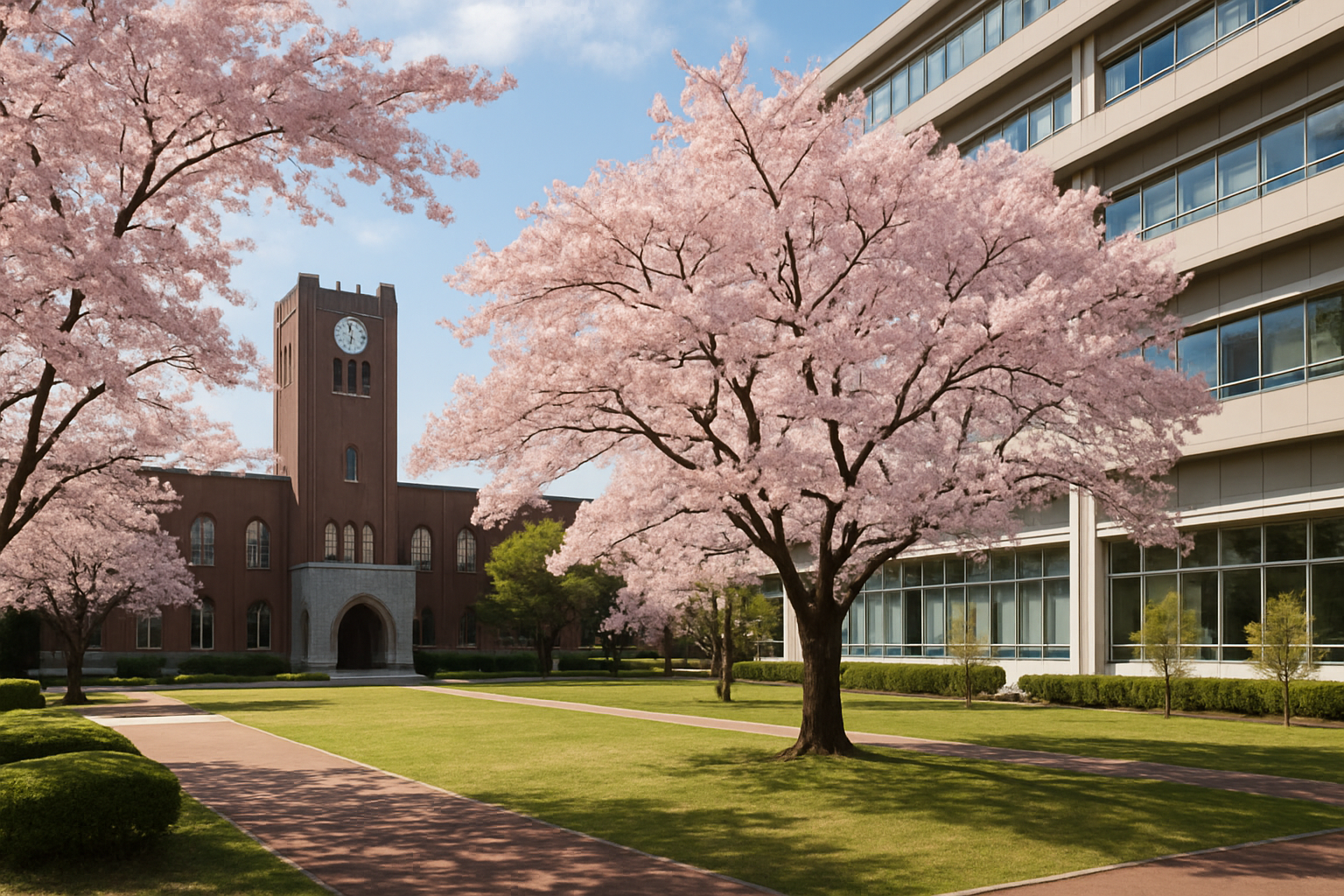
Japan has seven former "Imperial Universities" that dominate research rankings. Here are the big five for international PhDs:
University | Location | Strongest Fields | Int'l Students |
University of Tokyo | Tokyo | Engineering, Medicine, Physics | 3,300+ |
Kyoto University | Kyoto | Chemistry, Biology, Philosophy | 2,100+ |
Osaka University | Osaka | Materials Science, AI, Medicine | 2,400+ |
Tohoku University | Sendai | Materials, Engineering | 2,000+ |
Tokyo Institute of Technology | Tokyo | Engineering, Computer Science | 1,200+ |
Tokyo and Kyoto get most of the attention, but don't sleep on Tohoku or Osaka. They're especially strong in materials science and have excellent English-taught programs.
Pro Tip: Check each university's "Global Programs" page. Many have dedicated English-track PhDs that are easier for international students.
Understanding the Research Student (Kenkyusei) System
Here's where Japan differs from Western PhD systems: you usually start as a "research student" (kenkyusei) before officially entering the doctoral program.
Think of it as a 6-12 month trial period. You:
Work with your chosen supervisor
Take language classes if needed
Prepare for the doctoral entrance exam
Get familiar with Japanese academic culture
This isn't dead time — you're doing real research and getting paid (¥144,000/month with MEXT). Many international students actually prefer this system because it reduces the pressure of diving straight into coursework.
Do You Need Japanese Language Skills?
Short answer: not for most STEM fields, but it helps enormously for daily life.
For Research:
Engineering, Computer Science, Physics: English is usually fine
Social Sciences, Literature, History: Japanese typically required
Medicine, Law: Japanese essential
For Life:
Even basic Japanese (N4 level) makes everything easier. Banking, housing, making friends — it all becomes smoother.
Most universities offer free Japanese classes for international students. Take them. Your research might be in English, but your life is in Japanese.
Application Timeline and Requirements
The application process is long but predictable. Start planning 12-18 months before you want to begin.
Documents You'll Need
Academic transcripts (official, translated)
Research proposal (2,000-3,000 words)
Letters of recommendation (2-3, from professors)
English proficiency (TOEFL 79+ or IELTS 6.5+)
CV/Resume (academic format)
Health certificate (from designated doctors)
The research proposal is critical. Japanese professors want to see you've thought deeply about your project and understand their lab's work. You can read our emailing professors guide for specific tips on making first contact.
Step-by-Step Timeline
12 months before: Start researching professors and labs
9 months before: Email potential supervisors
6 months before: Submit university applications
3 months before: Apply for student visa
1 month before: Arrange housing, flights
Student Visa and Immigration
Once you're accepted, the university handles most visa paperwork through the Certificate of Eligibility (COE) system.
Process:
University applies for your COE (1-2 months)
COE sent to you by mail
Apply for student visa at Japanese consulate
Receive visa within 1 week
The student visa allows part-time work (up to 28 hours/week with permission), but with MEXT funding, you won't need it.
Living Costs and Budgeting
The ¥144,000 MEXT stipend sounds modest, but it's enough for a comfortable student life in most Japanese cities.
Expense | Tokyo (¥) | Other Cities (¥) |
Rent (shared) | 50,000-70,000 | 30,000-50,000 |
Food | 40,000-50,000 | 35,000-45,000 |
Transport | 10,000-15,000 | 5,000-10,000 |
Utilities/Phone | 10,000-15,000 | 8,000-12,000 |
Total | 110,000-150,000 | 78,000-117,000 |
Tokyo is expensive, but still doable. Cities like Sendai (Tohoku University) or Fukuoka (Kyushu University) are much cheaper and offer great quality of life.
Compare this to the PhD salary comparison from other countries — Japan's stipend is competitive, especially considering healthcare is included.
Post-PhD Career Options in Japan
Here's what most guides won't tell you: staying in Japan after your PhD is challenging but not impossible.
Academic Track:
Postdoc positions: ¥300,000-500,000/month
Assistant Professor: ¥400,000-600,000/month
Competition is intense, Japanese language often required
Industry Track:
R&D positions at Sony, Toyota, Hitachi
Tech companies increasingly hire international PhDs
Starting salaries: ¥5-8 million/year
International Track:
Your Japanese PhD opens doors globally. Many graduates move to Singapore, US tech companies, or European research institutes with strong credentials.
The networking alone — Japanese companies have massive global reach — can be worth the investment.
Research Culture: What to Expect
Japanese academic culture has unique characteristics you should understand before arriving.
The Good:
Incredible attention to detail and methodology
Strong mentor-student relationships
Access to cutting-edge equipment and facilities
Collaborative, respectful environment
The Challenging:
Hierarchical structure can feel rigid
Decision-making often slower than Western standards
Work-life balance varies significantly by lab
Most international students adapt well, especially if they're prepared for these cultural differences.
Comparing Japan to Other PhD Destinations
How does Japan stack up against other popular destinations?
Factor | Japan | Germany | Singapore |
Funding | MEXT covers everything | Good but competitive | Excellent stipends |
Language | English OK for STEM | English widely used | English primary |
Research Quality | World-class in tech | Strong across fields | Emerging but growing |
Cost of Living | Moderate to high | Moderate | High |
Japan offers a unique combination of full funding, cultural experience, and research excellence. If you're interested in technology or materials science, it's hard to beat.
For a broader comparison, check out our guide to the best countries for funded PhDs or our PhD in South Korea guide for another Asian option.
Common Application Mistakes to Avoid
After reviewing hundreds of applications, here are the mistakes that kill your chances:
Generic research proposals: Don't copy-paste the same proposal for every university
Ignoring the professor: Read their recent papers, cite their work
Poor timing: Don't email professors during their busy periods (entrance exam season)
Unrealistic expectations: Tokyo University gets 10x more applications than Tohoku
Skipping the research student period: Don't rush straight to doctoral programs
The successful applicants I know treated their applications like a research project — thorough, methodical, personalized.
FAQ
Can I apply for a PhD in Japan without a master's degree?
Yes, but it's rare and depends on the university. Most Japanese universities prefer students to have a master's degree, but exceptional candidates with strong research experience can sometimes enter directly from bachelor's programs.
How competitive is the MEXT scholarship?
Very competitive globally (about 5-10% acceptance rate), but varies significantly by country. Some countries receive only 2-3 slots annually, while larger countries might get 20-30. Your odds are better if you apply from a country with fewer applicants.
Do I need to find a supervisor before applying?
For university-recommended MEXT, yes — you need acceptance from a specific professor first. For embassy-recommended MEXT, the placement happens after you arrive in Japan, though it helps to have contacts.
What happens if I don't pass the doctoral entrance exam after my research student period?
You can extend your research student status for one additional year and retake the exam. Many universities also offer master's programs as an alternative pathway to the PhD.
Can MEXT scholars work part-time in Japan?
Technically yes with proper permits, but MEXT strongly discourages it. The scholarship is designed to cover all your expenses so you can focus entirely on research. Excessive part-time work can jeopardize your scholarship.
Japan offers one of the world's most comprehensive PhD funding packages, world-class research facilities, and a unique cultural experience. The application process requires patience and cultural awareness, but the payoff — both academically and personally — can be enormous.
Ready to start your application? ApplyKite's PhD search tools can help you identify Japanese universities and professors matching your research interests, plus track application deadlines across multiple countries.