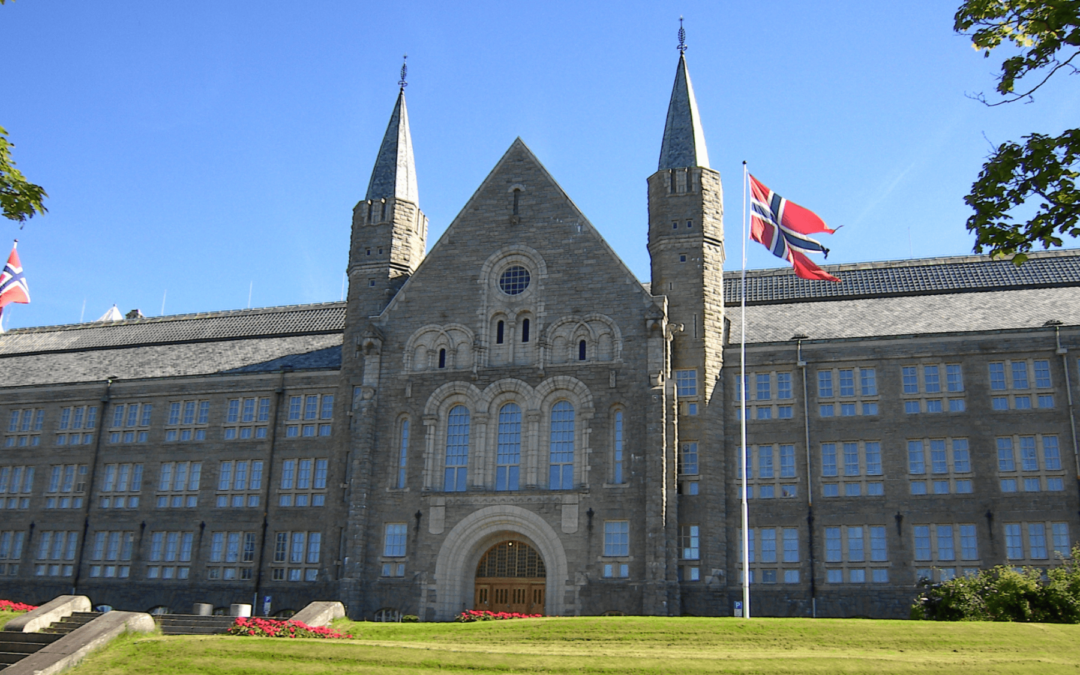

Norwegian Institute of Science and Technology
2 months ago
This position has expired. You can find similar positions from the section below or browse our positions listing pages.
PhD Candidate in AI-assisted Asset Management of Coastal Infrastructure Norwegian University of Science and Technology in Norway
Degree Level
PhD
Field of study
Computer Science
Funding
PhD position funded by the Faculty of Engineering. Employment period is 3 years for the doctoral work. Salary is normally NOK 550,800 per year depending on qualifications and seniority. Working capital is available for the project.
Deadline
Expired

Country
Norway
University
Norwegian Institute of Science and Technology

How do I apply for this?
Sign in for free to reveal details, requirements, and source links.
Suggested positions





Keywords
About this position
NTNU (Norwegian University of Science and Technology) is advertising a PhD Candidate in AI-assisted asset management of coastal infrastructure within the Department of Ocean Operations and Civil Engineering, in close collaboration with the Department of Structural Engineering. The project is based in Ålesund, Norway, and focuses on climate-resilient infrastructure, port structures, drone inspection, structural damage detection, and AI/ मशीन learning for asset management.
The research aims to develop a hazard and resilience assessment platform for selected ports, using labelled ferry quay damage data from the BRUTUS database and drone inspection images to train an AI model that can be applied to generic port structures. The work is anchored at the Magerholm Research Quay (MRQ) and connected to Fjordlab Ålesund, offering access to real-world met-ocean and structural data.
This is a 3-year PhD position funded by the Faculty of Engineering. The advertised salary is NOK 550,800 per year (depending on qualifications and seniority), and working capital is available for the project. The role includes doctoral research, academic publications, dissemination, participation in the smart infrastructure research group, and international activities such as conferences or research stays.
Eligible applicants should hold a relevant master's degree in civil engineering, structural engineering, mechanical engineering, mechatronics, marine technology, cybernetics, or equivalent. A strong academic record is required, along with excellent English communication skills. Preferred experience includes structural health monitoring, non-destructive evaluation, fieldwork, and signal/image processing. A driving license approved under Norwegian regulations is also preferred.
Application deadline: 15 August 2026. Apply through Jobbnorge.no and submit transcripts and diplomas, CV, thesis copy or draft, a project outline, motivation letter, relevant publications/certificates, and three referees. The position is physically based in Ålesund, Norway.
Funding details
PhD position funded by the Faculty of Engineering. Employment period is 3 years for the doctoral work. Salary is normally NOK 550,800 per year depending on qualifications and seniority. Working capital is available for the project.
What's required
Relevant Master's degree in civil engineering, structural engineering, mechanical engineering, mechatronics, marine technology, cybernetics or equivalent; the degree must correspond to a five-year Norwegian course with 120 master's credits. Master students may apply, but the master's degree must be completed and documented before start. Applicants need a strong academic background with an average grade of B or better on NTNU's scale, or an equally good academic foundation if grades are not letter-based. Admission requirements for the Faculty's Doctoral Programme in Engineering must be met. Excellent oral and written English skills are required. Preferred qualifications include structural health monitoring or non-destructive evaluation, fieldwork experience, signal and image processing, and a driving license approved under Norwegian regulations.
Ask ApplyKite AI
How do I apply for this?
Sign in for free to reveal details, requirements, and source links.