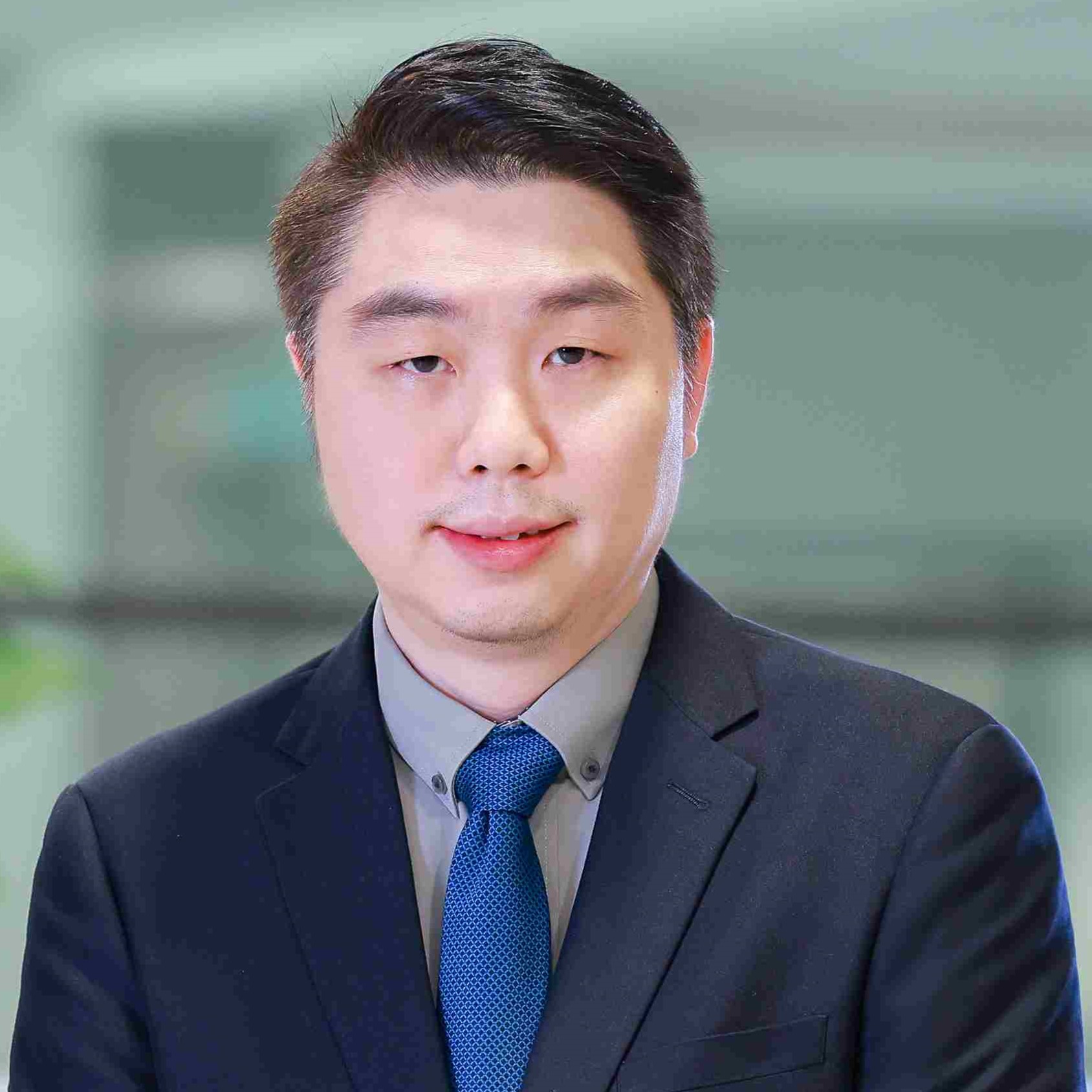
professor profile picture

C Chong

Professor at Engineering and Information Technology

Monash University Malaysia

Country flag

Malaysia

Has open position

This profile is automatically generated from trusted academic sources.

Google Scholar

.

ORCID

.

LinkedIn

Social connections

How do I reach out?

Sign in for free to see their profile details and contact information.

Meet Kite AI

Contact this professor

Send an email
LinkedIn
ORCID
Google Scholar

Research Interests

Fluid Mechanics

30%

Inorganic Chemistry

20%

Chemical Engineering

60%

Physics

30%

Mechanical Engineering

30%

Computer Science

20%

Metal Complexes

20%

Ask ApplyKite AI

Start chatting
How can you help me contact this professor?
What are this professor's research interests?
How should I write an email to this professor?

Positions6

Publisher
source

C Chong

University Name
.

Monash University Malaysia

Design and Optimization of Concentrated Photovoltaic-Thermal Systems for Solar Hydrogen Production

Green hydrogen production via solar-powered water electrolysis is a pivotal technology for global decarbonisation. Conventional photovoltaic-electrolyser systems often waste significant thermal energy, limiting their efficiency and economic viability. Concentrated photovoltaic-thermal (CPVT) systems address this challenge by simultaneously generating electrical power and recoverable high-grade thermal energy from solar input, offering enhanced efficiency and reduced hydrogen production costs. This PhD project at Monash University Malaysia focuses on the design, modelling, and optimisation of advanced CPVT systems specifically for solar hydrogen production. The research aims to develop high-efficiency CPVT architectures capable of operating effectively under variable irradiance conditions, including tropical and equatorial regions where diffuse radiation is prevalent. Key objectives include strategic utilisation of CPVT-generated thermal energy to improve water electrolysis performance and system economics. Research activities will be predominantly simulation and modelling-based, with opportunities for targeted experimental validation. Core areas include: Design and characterisation of CPVT system configurations for hydrogen production. Development of multi-physics simulation models capturing optical, thermal, and electrical behaviour. Investigation of thermal management and photovoltaic cooling strategies. Analysis of thermal energy utilisation pathways for water electrolysis. System-level performance optimisation and parametric analysis. Numerical investigation of CPVT performance under various conditions. Techno-economic assessment of CPVT-based hydrogen production systems. Methodologies will integrate geometry modelling, optical modelling, computational fluid dynamics, electrical circuit modelling, and electrochemical performance models. Simulation platforms such as EES, MATLAB/Simulink, Python, ANSYS/COMSOL, and physics-informed machine learning may be used to accelerate model development and optimisation. Funding is provided by Monash University Malaysia, covering full tuition fees and a stipend for successful PhD candidates. Applicants must hold a First Class Honours (H1) or equivalent qualification and meet English language requirements (IELTS, TOEFL). Experience in engineering, physical sciences, simulation, or modelling is advantageous. Applications are accepted year-round. Interested candidates should contact Prof. Chong Meng Nan with a cover letter, CV, and evidence of English proficiency. If suitable, candidates will be invited to submit an Expression of Interest and may be selected for a scholarship interview. For further details and to apply, visit the project page or email the supervisor directly.

NaN years ago

Publisher
source

C Chong

University Name
.

Monash University Malaysia

Highly-Active Metal Complexes for Low Temperature Thermocatalytic Ammonia Production

This PhD project at Monash University Malaysia focuses on the development of highly-active metal complexes for low temperature thermocatalytic ammonia production. Ammonia is a vital chemical feedstock, essential for global agriculture and increasingly significant as an energy carrier in the emerging hydrogen economy. The research aims to design and synthesize novel inorganic and structural metal complexes that can efficiently catalyze ammonia synthesis under mild conditions, contributing to sustainable chemical processes and energy technologies. The project is supervised by Professor C Chong and Dr. Joshua Zheyan Soo Soo in the Department of Engineering and Information Technology. Research areas include inorganic chemistry, structural chemistry, chemical engineering, energy technologies, nanotechnology, and chemical physics. Students will gain hands-on experience in advanced synthesis, characterization techniques, and catalytic testing, with opportunities to collaborate across disciplines. Applicants should have a strong background in chemistry, chemical engineering, or related fields, with experience in inorganic chemistry, catalysis, or nanotechnology considered advantageous. English language proficiency is required according to Monash University Malaysia's standards. The position does not specify funding availability; applicants are encouraged to inquire directly with the supervisors regarding potential scholarships or financial support. Applications are accepted year-round. Interested candidates should apply online via the project link, submitting a CV, academic transcripts, and a cover letter outlining research interests. For further information, contacting the supervisors is recommended.

NaN years ago

Publisher
source

C Chong

University Name
.

Monash University Malaysia

Dynamic Behaviour and Engineering Optimisation of PEM Water Electrolysers under Real-World Conditions with AI Support

This PhD opportunity at Monash University Malaysia focuses on the dynamic behaviour and engineering optimisation of proton exchange membrane (PEM) water electrolysers, a key technology for green hydrogen production. The project addresses the challenges of operating electrolysers under real-world, fluctuating conditions, including variable renewable energy inputs, complex physico-chemical processes, and system degradation. The research aims to enhance the reliability, efficiency, and durability of PEM electrolysers, which are critical for the global transition to net-zero carbon emissions by 2050. Key research areas include detailed characterisation of system responses under variable load profiles, engineering strategies to mitigate degradation and extend component lifetimes, and optimisation of single- and multi-stack configurations for improved scalability and efficiency. The project integrates physico-chemical and electrochemical insights into advanced design frameworks, leveraging artificial intelligence (AI) and machine learning (ML) to accelerate discovery, prediction, and optimisation. Data-driven models will be developed for predictive failure analysis, real-time performance monitoring, and proactive maintenance planning. By combining experimental and engineering approaches with AI-driven modelling, the project aims to deliver robust predictive tools and design guidelines that enhance system stability, reduce costs, and enable the next generation of PEM electrolysers. The outcomes are expected to contribute significantly to lowering the levelised cost of green hydrogen and facilitating its integration into sustainable energy systems worldwide. The project is supervised by Professor C Chong, Dr Joshua Zheyan Soo Soo, and Dr Yeoh Chin Vern Yeoh. It is fully funded by Monash University Malaysia, offering a stipend and full tuition fee waiver to successful PhD candidates. Applicants should have a first class degree in Engineering or Science (preferably Chemical Engineering, Physics, or Chemistry), strong English skills, a keen interest in water electrolysis and green technology, and experience with machine learning tools is advantageous. A record of impactful scholarly publications and the ability to conduct independent research are also required. Applications are accepted year-round. Interested candidates should contact the main supervisor with their academic background and achievements, and if suitable, complete an Expression of Interest with a relevant research proposal. Eligible candidates will be invited to apply for PhD candidature and may be selected for a scholarship interview. Updated application instructions will be available from 4 May 2026.
NaN years ago

Publisher
source

C Chong

University Name
.

Monash University Malaysia

Highly-Active Metal Complexes for Low Temperature Thermocatalytic Ammonia Production

Ammonia is a vital chemical feedstock and energy carrier, playing a central role in global agriculture and the emerging hydrogen economy. Despite its importance, current large-scale production relies on the energy-intensive Haber–Bosch process, which operates at high temperatures and pressures. This project at Monash University Malaysia aims to develop highly-active metal complexes for thermocatalytic ammonia production under low-temperature and low-pressure conditions, offering a sustainable alternative compatible with renewable energy sources. The research will focus on designing and synthesising metal complexes based on earth-abundant transition metals such as Fe, Co, Ni, and Mo, with tailored ligands to stabilise active species and facilitate efficient nitrogen activation. Mechanistic studies using spectroscopic and electrochemical techniques will elucidate reaction pathways, including N₂ binding, activation, and proton-coupled electron transfer. Catalyst optimisation will target improved turnover frequency, selectivity, and durability under ambient or near-ambient conditions. Integration with green hydrogen or alternative hydrogen carriers will be evaluated to ensure alignment with sustainable energy inputs. By advancing the fundamental understanding and practical design of molecular catalysts for ammonia synthesis, this project has the potential to provide a low-carbon alternative to the Haber–Bosch process. Successful outcomes could contribute to decarbonising ammonia production for fertiliser industries and enable its role as a clean hydrogen carrier, supporting global net-zero ambitions. Applicants should have a first class degree in Engineering or Science (preferably Chemical Engineering, Physics, or Chemistry), strong English proficiency, a keen interest in catalysis and green technology, impactful scholarly publications, and the ability to conduct independent research and collaborate effectively. Evidence of English proficiency (IELTS, TOEFL) is required if available. The project is funded by the Centre for Net-Zero Technology, offering a stipend and fully-funded tuition fees for successful PhD candidates. Applications are accepted year-round. To apply, contact Prof Chong MengNan with your academic background and achievements, and submit your application via the provided link, referencing the research topic as advertised. Review the application submission guide for further details.

NaN years ago

Publisher
source

C Chong

University Name
.

Monash University Malaysia

Dynamic Behaviour and Engineering Optimisation of PEM Water Electrolysers under Real-World Conditions with AI Support

Green hydrogen is a pivotal element in the global transition to net-zero carbon emissions by 2050, offering clean energy potential. The widespread adoption of green hydrogen depends on the engineering of reliable, efficient, and durable water electrolysers, which convert water into hydrogen through electrochemical splitting. However, electrolyser systems face challenges due to dynamic operation, fluctuating renewable energy inputs, complex physico-chemical processes, and gradual degradation, all of which impact efficiency, stability, and cost-effectiveness. This PhD project at Monash University Malaysia focuses on the design, operation, and optimisation of proton exchange membrane (PEM) water electrolysers. The research emphasises understanding both transient and steady-state behaviours under realistic operating conditions. Key areas include detailed characterisation of system responses under variable load profiles, engineering strategies to mitigate degradation and extend component lifetimes, optimisation of single- and multi-stack configurations for scalability and efficiency, and integration of physio-chemical and electrochemical insights into advanced design frameworks. Artificial intelligence (AI) and machine learning (ML) will be leveraged as enabling tools to accelerate discovery, prediction, and optimisation. Data-driven models will be used for predictive failure analysis, real-time performance monitoring, and proactive maintenance planning. The combination of experimental engineering and AI-driven modelling aims to deliver robust predictive tools and design guidelines that enhance stability, reduce costs, and enable the next generation of PEM electrolysers. Ultimately, this research will contribute to lowering the levelised cost of green hydrogen and support its integration into sustainable energy systems worldwide. The project is funded by Monash University Malaysia, offering a stipend and fully-funded tuition fees to successful PhD candidates. Applicants should have a first class degree in Engineering or Science (preferably Chemical Engineering, Physics, or Chemistry), strong English proficiency, a keen interest in water electrolysis and green technology, and experience with machine learning tools is advantageous. Impactful scholarly publications and the ability to conduct independent research and collaborate in a team are required. Evidence of English proficiency (IELTS, TOEFL) should be provided if available. To apply, candidates should contact Prof Chong Meng Nan with a cover letter, CV, and evidence of English proficiency. After confirming suitability, applications can be submitted via the provided link, referencing the research topic as advertised. For further details, consult the application submission guide.

NaN years ago

Publisher
source

C Chong

University Name
.

Monash University Malaysia

Financial Modelling and Economic Assessment of Emerging Low-Carbon Industrial Systems

This PhD project at Monash University Malaysia focuses on the financial modelling and economic assessment of emerging low-carbon energy systems in industrial applications. The research aims to develop advanced frameworks that integrate system performance insights with techno-economic and cash flow analysis, enabling comprehensive evaluation of capital investment, operating costs, and long-term economic viability. By exploring various scenarios—including market variability and policy conditions—the project seeks to understand their impact on system performance and investment outcomes, supporting informed decision-making, risk assessment, and strategic planning for sustainable energy infrastructure. The research areas span Data Science, Internet of Things, Financial Economics, and Chemical Engineering, offering a multidisciplinary approach to the study. The project is supervised by Professor C Chong, a leading expert in the field. Students will benefit from a stipend and tuition waiver, making this opportunity accessible to candidates worldwide. Eligibility requires a minimum academic qualification of First Class Honours (H1) or its equivalence (H1E) recognised by Monash University Malaysia, along with evidence of English language proficiency (IELTS, TOEFL, or equivalent). Applicants should prepare a cover letter outlining relevant skills and experience, a CV detailing educational background and publication record (if any), and evidence of English proficiency. The application process involves contacting Prof Chong Meng Nan to discuss your academic background and suitability for the research topic. If you are a good fit, submit your application via the provided link, ensuring you reference the research topic as advertised. The deadline for applications is December 31, 2026. For further details, consult the application submission guide and scholarship information available on the university website.

just-published