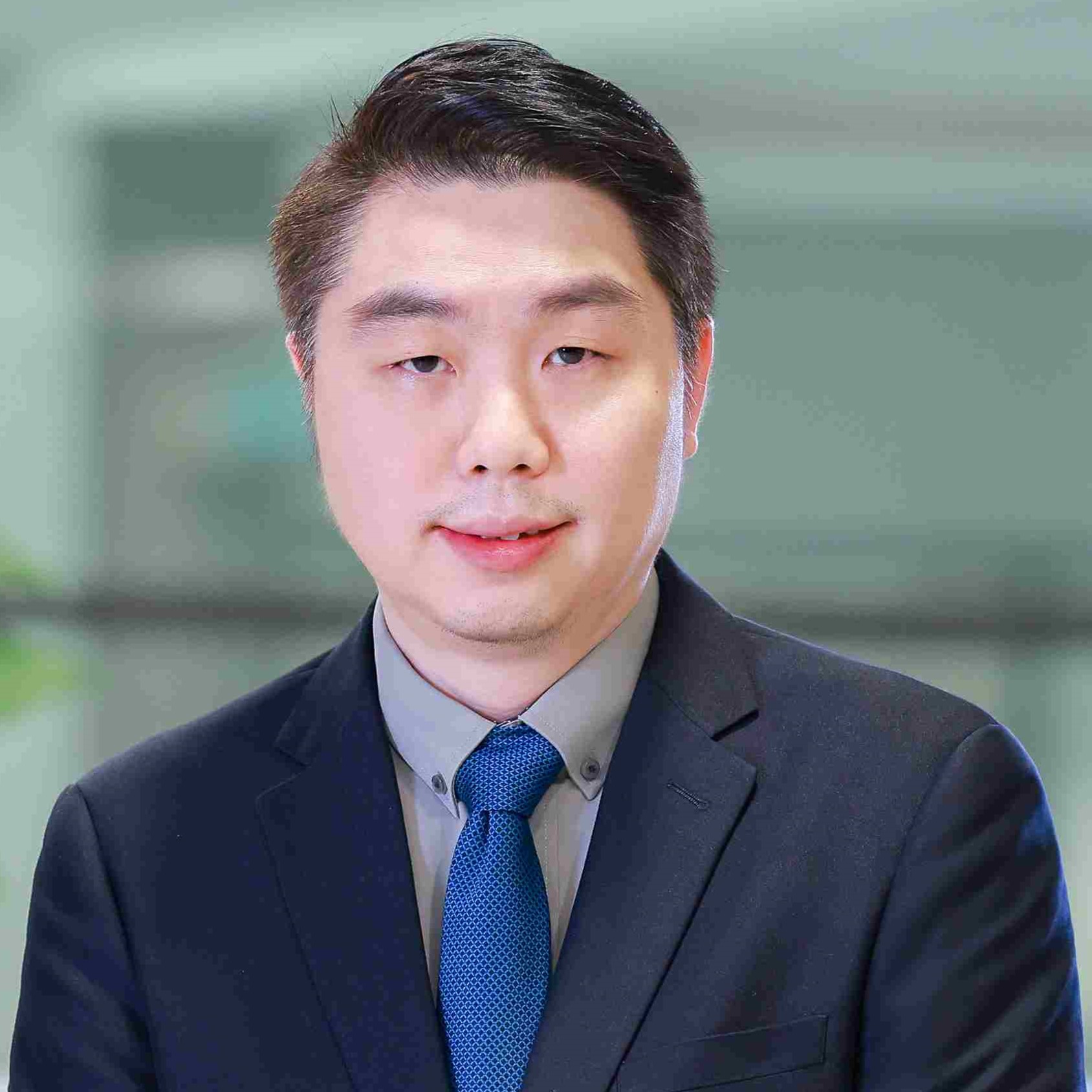

C Chong
5 months ago
This position has expired. You can find similar positions from the section below or browse our positions listing pages.
Dynamic Behaviour and Engineering Optimisation of PEM Water Electrolysers under Real-World Conditions with AI Support Monash University Malaysia in Malaysia
Degree Level
PhD
Field of study
Computer Science
Funding
Funded PhD Project (Students Worldwide)
Deadline
Expired

Country
Malaysia
University
Monash University Malaysia

How do I apply for this?
Sign in for free to reveal details, requirements, and source links.
Suggested positions








Keywords
About this position
This PhD opportunity at Monash University Malaysia focuses on the dynamic behaviour and engineering optimisation of proton exchange membrane (PEM) water electrolysers, a key technology for green hydrogen production. The project addresses the challenges of operating electrolysers under real-world, fluctuating conditions, including variable renewable energy inputs, complex physico-chemical processes, and system degradation. The research aims to enhance the reliability, efficiency, and durability of PEM electrolysers, which are critical for the global transition to net-zero carbon emissions by 2050.
Key research areas include detailed characterisation of system responses under variable load profiles, engineering strategies to mitigate degradation and extend component lifetimes, and optimisation of single- and multi-stack configurations for improved scalability and efficiency. The project integrates physico-chemical and electrochemical insights into advanced design frameworks, leveraging artificial intelligence (AI) and machine learning (ML) to accelerate discovery, prediction, and optimisation. Data-driven models will be developed for predictive failure analysis, real-time performance monitoring, and proactive maintenance planning.
By combining experimental and engineering approaches with AI-driven modelling, the project aims to deliver robust predictive tools and design guidelines that enhance system stability, reduce costs, and enable the next generation of PEM electrolysers. The outcomes are expected to contribute significantly to lowering the levelised cost of green hydrogen and facilitating its integration into sustainable energy systems worldwide.
The project is supervised by Professor C Chong, Dr Joshua Zheyan Soo Soo, and Dr Yeoh Chin Vern Yeoh. It is fully funded by Monash University Malaysia, offering a stipend and full tuition fee waiver to successful PhD candidates. Applicants should have a first class degree in Engineering or Science (preferably Chemical Engineering, Physics, or Chemistry), strong English skills, a keen interest in water electrolysis and green technology, and experience with machine learning tools is advantageous. A record of impactful scholarly publications and the ability to conduct independent research are also required.
Applications are accepted year-round. Interested candidates should contact the main supervisor with their academic background and achievements, and if suitable, complete an Expression of Interest with a relevant research proposal. Eligible candidates will be invited to apply for PhD candidature and may be selected for a scholarship interview. Updated application instructions will be available from 4 May 2026.
Funding details
Funded PhD Project (Students Worldwide)
What's required
Applicants must have a first class degree in Engineering or Science, preferably in Chemical Engineering, Physics, or Chemistry. Strong command of written and oral English is required. Candidates should have a strong interest in water electrolysis and green technology development. Knowledge of machine learning tools is an advantage. Applicants should have a record of impactful scholarly publications (e.g., first author in a high-impact peer-reviewed journal article), be able to perform independent research, and work well in a team. Evidence of English proficiency (e.g., IELTS, TOEFL) should be provided if available.
Ask ApplyKite AI
Professors
How do I apply for this?
Sign in for free to reveal details, requirements, and source links.