PhD Student in Bioinformatics: Perturbation-based Multi-omics Inference of Gene Regulatory Networks
The Department of Biochemistry and Biophysics at Stockholm University, in collaboration with SciLifeLab—a national center for molecular biosciences—offers a PhD position focused on advancing gene regulatory network (GRN) inference from multi-omics data. SciLifeLab is a leading research center hosted by several Swedish universities, including Stockholm University, and is renowned for its expertise in health and environmental research.
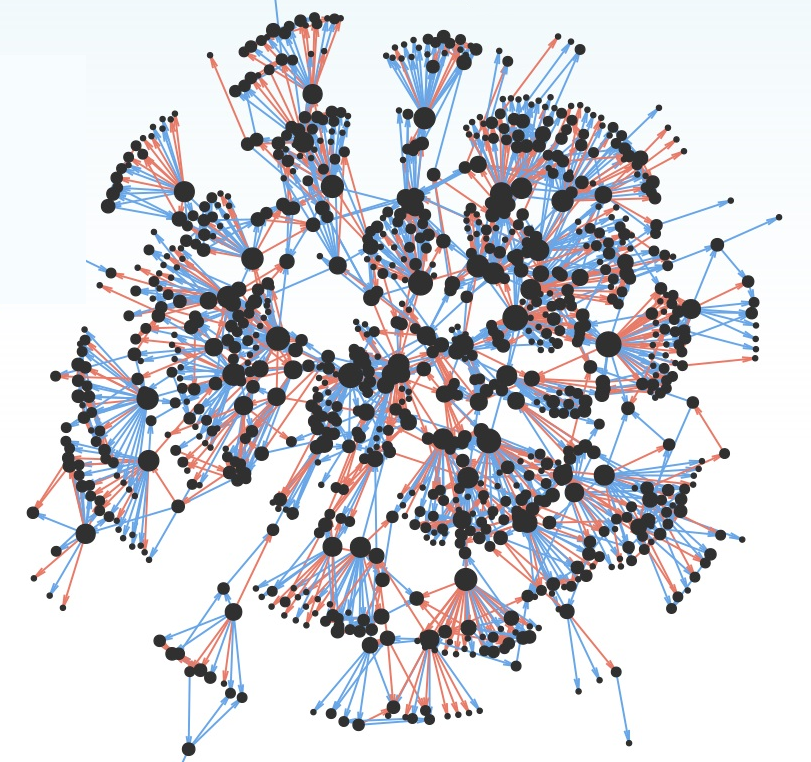
The project, titled "Perturbation-based Multi-omics Inference of Gene Regulatory Networks," aims to develop novel AI and deep learning techniques that leverage gene perturbation knowledge to improve GRN inference. Previous research has shown that experimental perturbation designs significantly enhance GRN quality in bulk data. This project will extend these principles to single-cell and spatial multi-omics data, adding cell type and tissue heterogeneity dimensions to causal regulatory analysis. The research will involve creating specialized deep learning architectures to connect data with specific gene perturbations and developing systems to infer perturbation designs from gene expression and chromatin accessibility data. The framework will also be adapted for spatial data to link GRN models to tissue phenotypes, contributing to a better understanding of cancer development and other complex biological processes.
Applicants must meet both general and specific entry requirements for postgraduate education. General requirements include completion of a second-cycle degree or equivalent (at least 240 higher education credits, with 60 credits in the second cycle). Specific requirements for the Biochemistry/Bioinformatics program include at least 90 credits in Chemistry, Molecular Biology, Biotechnology, Computer Science, Mathematics, or Physics, and 60 credits at the second cycle level in Life Science, Computer Science, Mathematics, Physics, or Bioinformatics, including a 30-credit thesis. Essential skills are extensive experience with Python, Matlab, and R, good UNIX knowledge, and familiarity with biological omics data analysis. Experience with PyTorch or TensorFlow is highly meriting. Written and oral proficiency in English is required. Selection is based on academic performance, relevant experience, references, interviews, and motivation.
The position offers fixed-term employment as a doctoral student for up to four years, with salary and benefits according to Swedish Higher Education Ordinance. Employment may include up to 20% work in education, research, or administration. Stockholm University is committed to equal opportunities and a discrimination-free workplace.
For further information, contact Professor Erik Sonnhammer ([email protected]) or Professor and Director of Doctoral Studies Andreas Barth ([email protected]). Applications should be submitted via Stockholm University’s recruitment system, with all required documents attached. Applicants are responsible for ensuring their application is complete and submitted before the deadline. For detailed instructions, refer to the job advertisement and university guidelines.
This opportunity is ideal for candidates with strong backgrounds in bioinformatics, computational biology, and AI, seeking to contribute to cutting-edge research in gene regulatory networks and multi-omics analysis at a leading European institution.