Italy funds every single PhD student by law — €15,343 per year, minimum.
That's not a scholarship you compete for. It's guaranteed funding the moment you're accepted into any Italian doctoral program.
But here's what most guides won't tell you: getting accepted requires navigating the concorso system — Italy's unique competitive examination process that determines who gets those coveted spots.

How Italian PhD Programs Actually Work
Italian PhDs follow a strict 3-year structure, completely different from the 4-7 year programs common elsewhere.
Every program operates under the concorso pubblico system. Think of it as a public competition where universities announce available positions, you apply, take exams, and the top scorers get accepted with guaranteed funding.
Program Duration | 3 years (fixed) |
Minimum Annual Stipend | €15,343 (2024 rate) |
Application Cycle | April-June annually |
Selection Method | Competitive exam (concorso) |
EU vs Non-EU | Same funding, different visa process |
The catch? Most universities offer 10-15 PhD positions across all subjects. At Università di Bologna — Italy's largest — roughly 800 students compete for 180 spots annually.
Pro Tip: Unlike other countries where you apply to specific professors, Italian concorsi are institutional. You apply to the university's doctoral school, not individual research groups.
The Concorso Application System Explained
The concorso isn't just an application — it's a formal examination process with strict rules and deadlines.
Each university publishes a bando di concorso (call for applications) between April and June. This document contains everything: available positions, research topics, exam dates, and evaluation criteria.
Required Documents for Every Concorso
University transcripts: Translated and legalized (apostille required for non-EU degrees)
Research proposal: 2,000-3,000 words, aligned with advertised research themes
CV and publications list: Academic format preferred
Language certificate: English (IELTS 6.5+) or Italian (B2 minimum)
Identity documents: Passport copy and birth certificate
The evaluation happens in two phases. First, a commission reviews your documents and assigns points (usually 0-70). Top scorers advance to oral examinations, worth 0-30 points. Final rankings determine who gets funding.
Here's where it gets interesting: some universities conduct oral exams via videoconference, others require you to travel to Italy. Check each bando carefully.
You can find comprehensive guidance on preparing these materials in our PhD application requirements guide.
Looking for fully funded?
Discover PhD, Master's, and Postdoc positions tailored to your goals with ApplyKite's smart AI tools.
Top Italian Universities for PhD Studies
Italy's university landscape includes both ancient institutions and modern research powerhouses. Here are the standouts for international PhD students:
Università di Bologna (UNIBO)
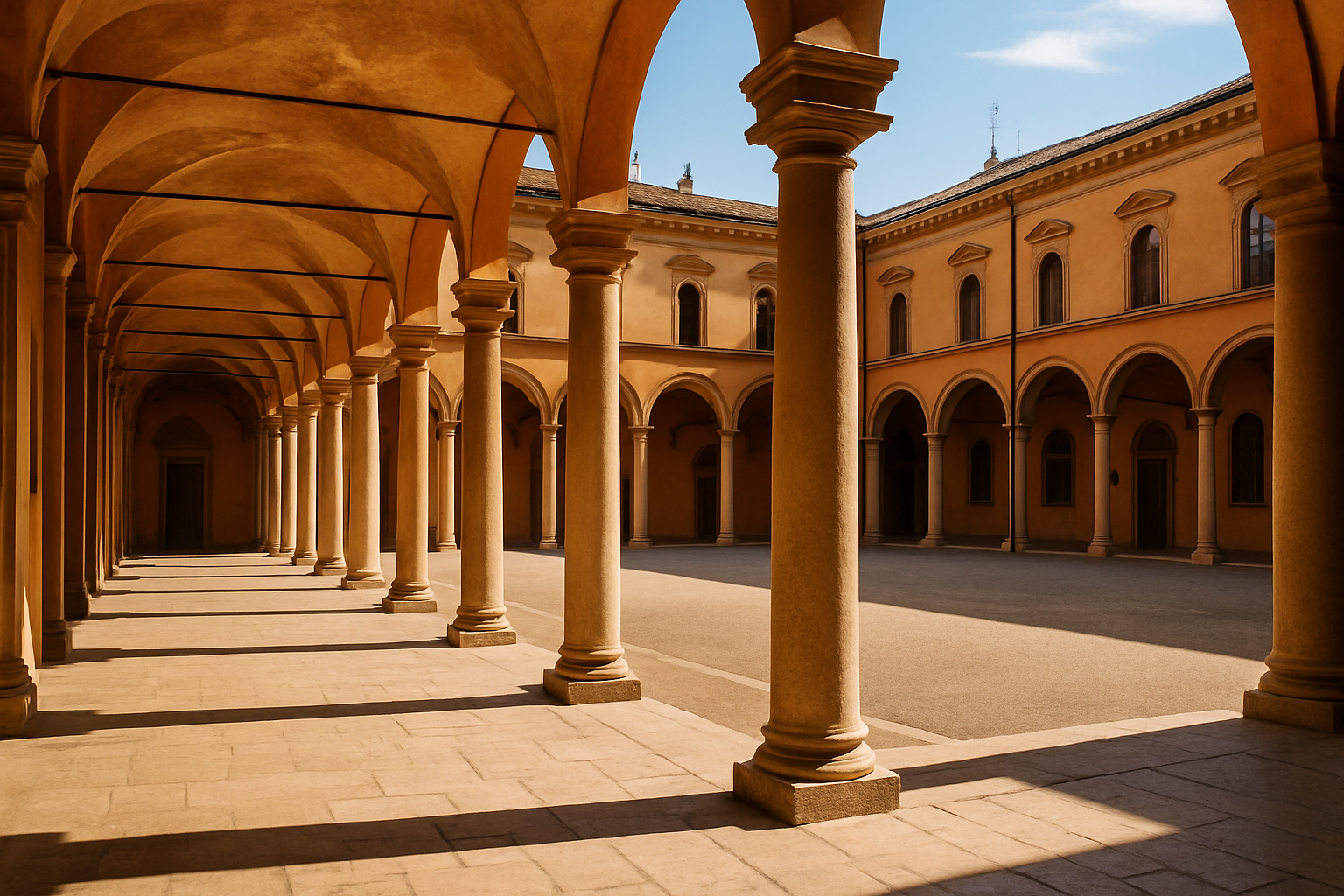
Founded in 1088, Bologna is the world's oldest university in continuous operation. Their doctoral school offers 33 programs, with many courses taught in English.
Strong programs: Engineering, Medicine, Agricultural Sciences, Economics
Annual positions: ~180 PhD spots
International students: 42% of doctoral candidates
Politecnico di Milano
Italy's top technical university, especially for engineering and architecture. Most PhD programs are fully English-taught.
Strong programs: Aerospace Engineering, Computer Science, Design, Urban Planning
Annual positions: ~150 PhD spots
Special feature: Strong industry partnerships with companies like Ferrari, Pirelli, and Leonardo
Università La Sapienza (Rome)
Europe's largest university by enrollment, with particularly strong humanities and social sciences programs.
Strong programs: Archaeology, Physics, Psychology, Law
Annual positions: ~400 PhD spots (highest in Italy)
Location advantage: Access to Vatican libraries and research archives
Università di Padova
Where Galileo taught for 18 years. Excellent for sciences and a surprisingly strong international community.
Strong programs: Astronomy, Psychology, Medicine, Philosophy
Annual positions: ~200 PhD spots
Fun fact: 25% of PhD students are international — higher than most Italian universities
Italy consistently ranks among the best countries for funded PhDs, and these universities demonstrate why.
PhD Funding and Salary in Italy
Italian PhD funding isn't just competitive — it's legally mandated.
The national minimum for PhD stipends is €15,343 per year (gross), but many universities pay more:
University Type | Annual Stipend Range | Monthly (Net) |
State Universities | €15,343 - €19,000 | ~€1,100 - €1,350 |
Technical Universities | €16,000 - €20,000 | ~€1,150 - €1,400 |
Private/International | €18,000 - €25,000 | ~€1,250 - €1,750 |
Additional funding comes from:
Research abroad allowances: €700/month extra for international research periods
Conference funding: €1,500-2,500 annually for travel and conferences
Teaching supplements: €1,000-3,000 per year for undergraduate tutoring
Industry partnerships: Some programs offer up to €25,000 annually through company collaborations
The part most guides miss: PhD students in Italy are classified as employees, not students. You get social security benefits, healthcare coverage, and paid vacation.
For context on how this compares globally, check our detailed PhD salary comparison across different countries.
English-Taught Programs and Language Requirements
Over 60% of Italian PhD programs now offer English-taught tracks, especially in STEM fields.
But there's a catch: even English-taught programs often require basic Italian proficiency for administrative tasks, healthcare access, and daily life.
Language Requirements by Field
STEM fields: English proficiency sufficient (IELTS 6.5+ or TOEFL 90+)
Humanities/Social Sciences: Italian B2 level usually required
Medicine/Law: Italian C1 level mandatory
Engineering: English acceptable, Italian helpful
Many universities offer free Italian language courses for PhD students. Università di Bologna provides 60 hours of Italian instruction each semester, while Politecnico di Milano offers intensive summer programs before PhD start dates.
Pro Tip: Start learning Italian before arriving. Even basic conversational ability dramatically improves your social integration and academic collaboration opportunities.
Some Italian universities also participate in Erasmus Mundus joint doctoral programs, which can provide additional funding and mobility opportunities.
Student Visa Process and Requirements
EU citizens can start their PhD immediately. Non-EU students need a student visa, which takes 30-60 days to process.
Once you receive your acceptance letter from the concorso, you apply for a visto per studio at the nearest Italian consulate.
Required Visa Documents
Acceptance letter: Official PhD program admission with funding confirmation
Financial proof: Bank statements showing €5,889 (or stipend guarantee letter)
Accommodation proof: University housing confirmation or rental agreement
Health insurance: Coverage valid in Italy (minimum €30,000)
Educational documents: Degree certificates with apostille and translation
Processing times vary by country. US citizens typically wait 30 days, while students from some Asian and African countries may wait 60-90 days. Apply immediately after receiving your PhD acceptance.
Once in Italy, you must register for a permesso di soggiorno within 8 days. This residence permit allows you to travel within the Schengen zone and gives access to Italian healthcare.
Cost of Living: Italian Cities Compared
Your PhD stipend goes further in some Italian cities than others.
City | Monthly Rent (Student) | Food/Groceries | Transport Pass | Total Monthly |
Milan | €450-650 | €250 | €39 | €850-1,100 |
Rome | €400-600 | €230 | €35 | €780-1,000 |
Bologna | €300-500 | €200 | €30 | €650-850 |
Padova | €250-400 | €180 | €25 | €550-750 |
Pisa | €280-420 | €170 | €20 | €570-720 |
Milan and Rome are expensive but offer more internship and networking opportunities. Bologna strikes the perfect balance — excellent university reputation, moderate costs, and central location for European travel.
University housing is typically 30-40% cheaper than private rentals, but availability is limited. Apply for dormitory spots immediately after PhD acceptance.
The sweet spot? Cities like Bologna, Padova, and Pisa let you live comfortably on your PhD stipend while saving money for research travel and conferences.
Application Timeline and Deadlines
Italian PhD applications follow a strict annual cycle. Miss the window, and you wait another full year.
Here's the typical timeline:
January-March: Research programs and prepare documents
April-May: Bandi (calls) published by universities
May-June: Application deadline period
July-August: Document evaluation and oral exams
September: Results announced, enrollment begins
October-November: PhD programs start
Most universities publish their bandi in May with June deadlines. But Politecnico di Milano often opens applications in April, while some smaller universities wait until June.
Start preparing in January. Document translation and apostille certification can take weeks, especially if you're applying from outside Europe.
The part most applicants miss: you can apply to multiple Italian universities simultaneously. Unlike some countries, there's no restriction on concurrent applications.
Common Mistakes to Avoid
These errors kill Italian PhD applications:
Generic research proposals: Your proposal must align with specific research themes listed in the bando. Generic topics get rejected immediately.
Late document legalization: Apostille certification takes 2-6 weeks. Start this process in February.
Ignoring Italian bureaucracy: Italian administration moves slowly. Submit everything early and follow up regularly.
Applying to only one university: Competition is fierce. Apply to 3-5 programs to maximize your chances.
Weak oral exam preparation: Practice presenting your research in both English and basic Italian. Commissions appreciate the effort.
But there's a catch most guides won't mention: some Italian professors are protective of their research areas. If your proposal overlaps too closely with ongoing projects, you might face resistance during oral exams.
The solution? Email potential supervisors before applying. While Italian concorsi are institutional, having faculty support significantly improves your success rate.
FAQ
Can I work part-time during my PhD in Italy?
Yes, PhD students can work up to 200 hours per year outside the university without affecting their stipend. Teaching or research activities within the university don't count toward this limit.
What happens if I don't speak Italian?
Many STEM programs operate entirely in English. Universities provide free Italian courses, and you can handle most administrative tasks with basic English and translation apps. However, learning Italian dramatically improves your experience.
Are Italian PhD degrees recognized internationally?
Yes, Italian PhDs are fully recognized across the EU and most other countries. Italy is part of the Bologna Process, ensuring degree compatibility. Many graduates continue to postdocs in the US, UK, and other European countries.
How competitive are Italian PhD programs?
Very competitive. Top universities like Bologna and Politecnico Milano typically accept 15-20% of applicants. However, smaller universities and specialized programs have higher acceptance rates, sometimes 40-50%.
Can I extend my PhD beyond 3 years?
Extensions are possible but require strong justification and department approval. Most extensions are 6-12 months without additional funding. The vast majority of students complete their PhD within the standard 3-year timeframe.
Ready to Apply for Your Italian PhD?
Italy offers something unique: guaranteed funding, world-class universities, and a manageable 3-year timeline.
The concorso system might seem complex, but it's ultimately fair — your application is judged on merit, not connections or luck.
Start your preparation now. Research programs, practice your Italian, and get those documents translated. The next application cycle opens in just a few months.
ApplyKite's scholarship database includes over 200 Italian PhD opportunities updated daily. Our application tracker helps you manage deadlines across multiple universities, and our document templates are designed specifically for Italian concorsi requirements.