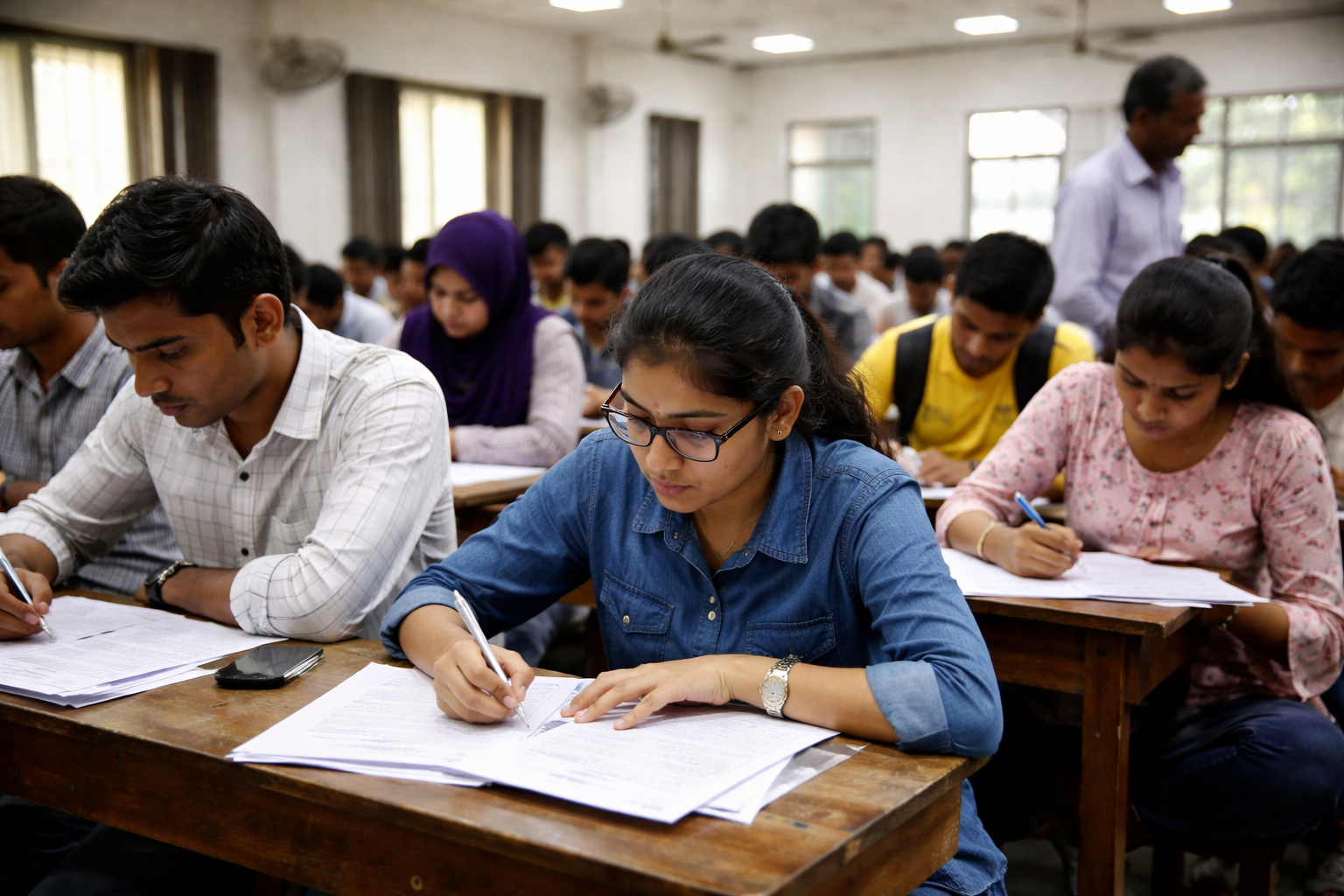
The National Testing Agency announced June 8 that students seeking agricultural research positions through ICAR AIEEA PG and AICE JRF/SRF programs now have two extra days to submit their applications. The new deadline is June 10, 2026, moving from the original June 8 cutoff.
The extension affects thousands of international and domestic students planning to pursue postgraduate studies and research fellowships at Indian agricultural universities. ICAR requested the change after receiving multiple appeals from candidates who needed additional time to complete their applications.

Program Details and Exam Schedule
The ICAR AIEEA PG exam opens doors to master's programs across agricultural sciences, while the AICE JRF/SRF pathway leads directly to PhD research positions with monthly stipends. Both exams are scheduled for July 4, 2026, giving students nearly four weeks to prepare after registration closes.
The Junior Research Fellowship (JRF) typically provides ₹31,000 per month for the first two years, increasing to ₹35,000 for Senior Research Fellowship status. These positions come with additional research grants and often include opportunities for international collaboration.
Students can apply for multiple programs through a single application form. The exam covers subjects like crop science, animal husbandry, agricultural engineering, and food technology. International students need to verify their degree equivalency through the Association of Indian Universities before applying.
What This Means for International Students
This extension particularly benefits international applicants who often need extra time to gather documentation from foreign institutions. Many students from Nepal, Bangladesh, and African countries use ICAR programs as their entry point into Indian agricultural research.
The July exam date works well for students completing spring semesters abroad. Results typically come out in August, allowing successful candidates to start their research programs in the September-October academic session.
International students should note that ICAR fellowships are among India's most competitive research funding options. The selection rate typically runs around 15-20%, making strong preparation essential.
Looking for fully funded?
Discover PhD, Master's, and Postdoc positions tailored to your goals with ApplyKite's smart AI tools.
What You Should Do Now
If you haven't started your application, use these two extra days strategically. Focus on your research statement first — this carries significant weight in the selection process. Clearly outline your research interests and how they align with your chosen department's ongoing projects.
Upload high-quality scanned documents. Poor image quality leads to application rejection more often than you'd expect. Double-check that your transcripts show clear grade conversions to the Indian percentage system.
Pay the application fee early. The payment gateway often gets overwhelmed on deadline day, causing technical failures that could cost you your spot. International students should use international credit cards or demand drafts from recognized Indian banks.
Start your visa paperwork now if you're accepted. Student visas for research programs can take 6-8 weeks to process, and you'll need your ICAR admission letter to begin the application.
Exam Component | Details |
New Application Deadline | June 10, 2026 |
Exam Date | July 4, 2026 |
JRF Monthly Stipend | ₹31,000 (first 2 years) |
SRF Monthly Stipend | ₹35,000 |
Application Fee | ₹1,000 (General), ₹500 (SC/ST) |
Related ApplyKite Resources
Need help with your research statement? Check out our guide on writing research proposals that actually get noticed by selection committees.
International students should also review our comprehensive breakdown of PhD funding opportunities in India to understand how ICAR fellowships compare to other research funding options.
For those new to the Indian academic system, our post on understanding Indian university requirements covers essential details about degree equivalency and documentation standards.