

Leiden University
Closing soon
1 week ago
Postdoctoral Researcher in Machine Learning for Wildlife Audio Leiden University in Netherlands
Degree Level
Postdoc
Field of study
Computer Science
Funding
Available
Deadline
Sep 14, 2026

Country
Netherlands
University
Leiden University

How do I apply for this?
Sign in for free to reveal details, requirements, and source links.
More information can be found here
Keywords
Suggested positions






About this position
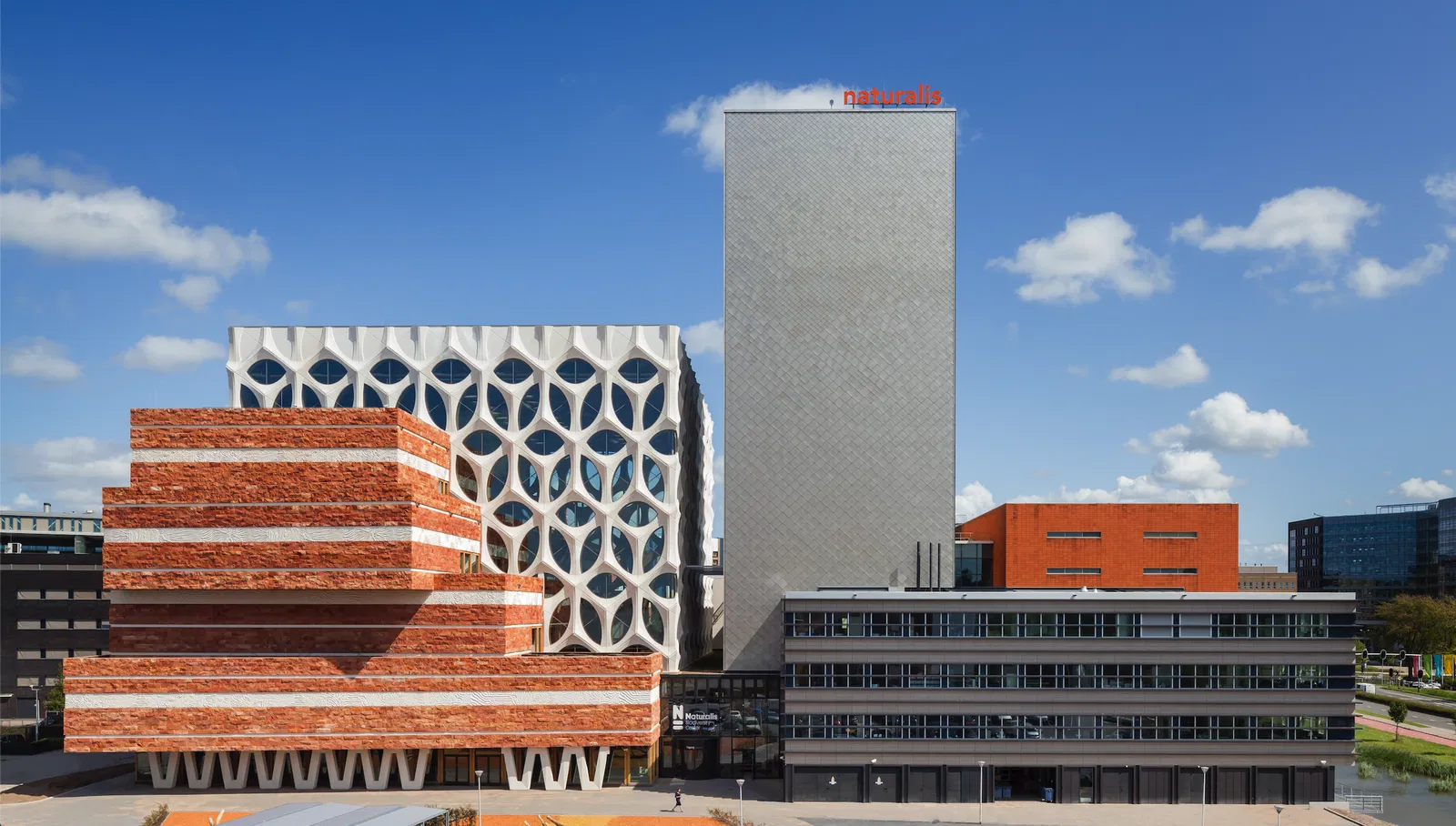
Leiden University is offering a postdoctoral researcher position in machine learning for wildlife audio within the Leiden Institute of Advanced Computer Science (LIACS), Faculty of Science, in Leiden, The Netherlands. The project sits at the intersection of machine learning, bioacoustics, acoustic signal processing, and biodiversity research, with close links to the Imaging & BioInformatics research group and collaboration with Naturalis Biodiversity Centre.
The successful candidate will work with Dr. Dan Stowell and his research team on curiosity-driven research topics such as low-footprint machine learning, ML-enhanced acoustic signal processing, human-in-the-loop and active-learning methods, representation learning, analysis of sound sequences and vocal interactions, category discovery, and perma computing. The role is research-focused and also includes co-supervising Bachelor’s, Master’s, and PhD students, presenting findings at international conferences, publishing in academic venues, and helping develop collaborations across the institute and wider research community.
The position is embedded in a highly interdisciplinary environment. LIACS is the artificial intelligence and computer science institute at Leiden University, and the Faculty of Science supports broad research spanning mathematics, computer science, astronomy, physics, chemistry, bio-pharmaceutical sciences, biology, and environmental sciences. The team’s collaboration with Naturalis adds a real-world biodiversity and nature-recognition dimension, including large-scale ML services and bioacoustics algorithms.
Applicants should hold a PhD in computer science, acoustics, signal processing, or a related field. Leiden University seeks candidates with a strong publication record in machine learning and/or computational audio methods, good Python programming ability, and an interest in biodiversity, animal behavior, or animal sound. Experience with bioacoustics applications is an advantage, and familiarity with frameworks such as PyTorch, TensorFlow, or JAX is welcome. High proficiency in spoken and written English and the ability to communicate across scientific disciplines are also important.
The appointment is initially for one year and may be extended for another three years after positive evaluation. The salary ranges from €3,546 to €5,538 gross per month for a full-time 38-hour appointment, plus a holiday allowance, end-of-year bonus, pension, commuting reimbursement, flexible working arrangements, and additional employment benefits.
The application deadline is 14 September 2026. Candidates should apply online and submit a motivation letter, a research statement, a full CV with publication list and Google Scholar or ORCID link, and the names and email addresses of at least two referees. For questions about the research area or position details, contact Dr. Dan Stowell at [email protected]; procedural questions can be sent to [email protected].
Funding details
Available
What's required
Applicants must hold a PhD degree in computer science, acoustics, signal processing, or a related field. A good publication record in machine learning and/or computational methods for audio data is required, and experience with machine learning applied to bioacoustics is a bonus. Candidates should have good programming skills in Python; familiarity with ML frameworks such as PyTorch, TensorFlow, or JAX is a bonus. Applicants should demonstrate interest in biodiversity, animal behavior, or animal sound, have high proficiency in spoken and written English, and be a team player with strong cross-disciplinary communication skills. The ideal candidate is a creative, curiosity-driven scientist with an open mindset.
How to apply
Apply online via the blue button in the vacancy. Upload a 1-page motivation letter, a research statement of up to 3 pages, a full CV with publications and a Google Scholar or ORCID link, and the names and email addresses of at least two referees. Submit no later than 14 September 2026.
Ask ApplyKite AI
How do I apply for this?
Sign in for free to reveal details, requirements, and source links.