Up to 30% off — ends 2 Aug
ONLY00h00m00s
Up to 30% off — ends 2 Aug
ONLY00h00m00s
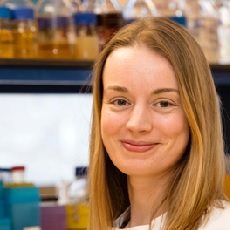

J Geoghegan
Top university
3 months ago
This position has expired. You can find similar positions from the section below or browse our positions listing pages.
Understanding Staphylococcus capitis Skin Colonisation in Atopic Dermatitis University of Birmingham in United Kingdom
Degree Level
PhD
Field of study
Cell Biology
Funding
Full funding availableDeadline
Expired

Country
United Kingdom
University
University of Birmingham

How do I apply for this?
Sign in for free to reveal details, requirements, and source links.
Suggested positions



Keywords
About this position
This PhD project at the University of Birmingham investigates the mechanisms by which Staphylococcus capitis colonises the skin in patients with atopic dermatitis, a prevalent chronic inflammatory skin disorder affecting both children and adults. Atopic dermatitis is characterised by painful, inflamed skin lesions and intense itching, with disease flares often linked to changes in the skin microbiome. The research builds on previous findings that Staphylococcus aureus is a major driver of inflammation in atopic dermatitis, and that specific cell wall-anchored proteins mediate bacterial adhesion to corneocytes in severe cases.
Recent discoveries have shown that S. capitis can be isolated from the skin of a significant proportion of adult patients with moderate atopic dermatitis, sometimes replacing S. aureus as the dominant coloniser. However, the molecular mechanisms by which S. capitis establishes colonisation and its impact on skin biology remain unknown. This project aims to functionally characterise the factors that promote S. capitis colonisation and to elucidate its role in the pathology of atopic dermatitis.
The research will be conducted in the Department of Microbes, Infections and Microbiomes, under the supervision of Prof J Geoghegan. The project is part of the Midlands Integrative Biosciences Training Partnership (MIBTP) and is supported by L'Oreal Research and Innovation, Paris, offering a collaborative and interdisciplinary environment. Funding is available for tuition and stipend as per MIBTP guidelines.
Applicants should have a strong academic background in biological sciences, microbiology, molecular biology, genetics, or related fields. Experience in laboratory research, cell biology, or microbiology is desirable. English language proficiency is required according to University of Birmingham standards. The application deadline is April 27, 2026.
To apply, submit your application online via the provided FindAPhD link, including your CV, academic transcripts, and a cover letter outlining your suitability for the project. For further information, prospective candidates may contact the supervisor. This opportunity is ideal for students interested in skin microbiome research, bacteriology, and the molecular basis of skin diseases.
Funding details
Full funding including tuition fees and living expenses is available for this position. The scholarship covers all educational costs and provides a monthly stipend.
Ask ApplyKite AI
Professors
How do I apply for this?
Sign in for free to reveal details, requirements, and source links.