

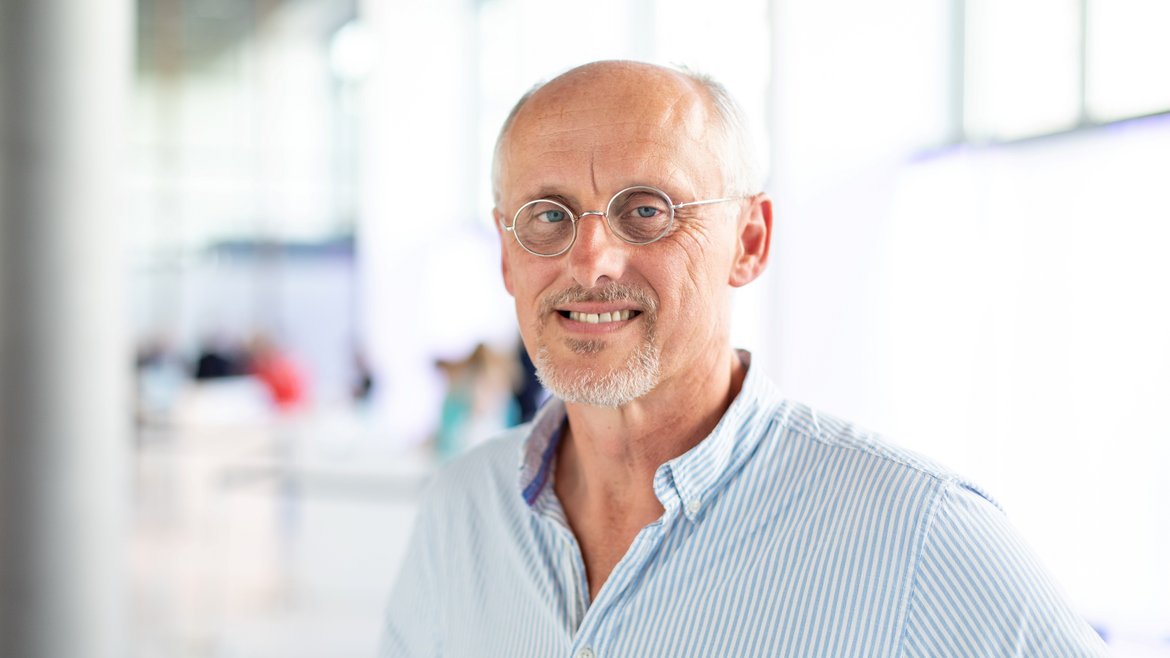
Sebastian Wolf
5 months ago
This position has expired. You can find similar positions from the section below or browse our positions listing pages.
PhD Research Fellow in Coupled Geodynamic-Glacial Erosion Modelling University of Bergen in Norway
Degree Level
PhD
Field of study
Geology
Funding
Available
Deadline
Expired

Country
Norway
University
University of Bergen

How do I apply for this?
Sign in for free to reveal details, requirements, and source links.
Suggested positions




Keywords
About this position
The University of Bergen invites applications for a PhD Research Fellow in coupled geodynamic-glacial erosion modelling at the Department of Earth Science. This position is part of the interdisciplinary ICICLE project, funded by the Trond Mohn Research Foundation, and aims to advance understanding of how climate, glacial and fluvial erosion, and tectonic deformation interact over geological timescales to shape decaying mountain belts, with a focus on Norway and Greenland.
The successful candidate will use novel coupled geodynamic-glacial-fluvial erosion models to quantify the evolution of orogens and compare model results with natural mountain belts. The research will integrate numerical models tailored to Southern Norway and Greenland with existing datasets to investigate landscape formation. Results will be presented at international conferences and published in peer-reviewed journals. The position includes research stays at the University of Aarhus (Denmark) and GFZ Potsdam (Germany), offering a unique international and interdisciplinary research environment.
The project is led by Dr. Sebastian Wolf and involves collaboration with Professors Ritske Huismans, Ann Rowan, Kerim Nisancioglu (University of Bergen), Professor Vivi Pedersen (University of Aarhus), Professor Jean Braun (GFZ & University of Potsdam), Dr. Guillaume Cordonnier (INRIA, University Côte d'Azur), Professor Dave May (Scripps, UCSD), and Dr. Sean Eaves (University of Wellington).
Applicants must hold a master’s degree or equivalent in earth science relevant to the project. Master students may apply if they complete their final master exam before 01.08.2026. Required qualifications include training in numerical model use and development or quantitative geoscience, basic programming skills (Python, Matlab, or similar), and proficiency in written and oral English. Experience with geodynamic or landscape evolution modelling, tectonics, or glacier dynamics is advantageous. Personal and collaborative skills, research experience, ambitions, and potential will be considered.
The position is for a fixed-term period of 3 years, with the possibility of a 4th year for career-promoting work (e.g., teaching). The gross annual salary is NOK 568,700, with further increases based on length of service. The position includes enrolment in the Norwegian Public Service Pension Fund and good welfare benefits. The University of Bergen is committed to diversity and inclusivity, encouraging applicants from all backgrounds.
Applications must be submitted via Jobbnorge and include a brief account of research interests, detailed justification of qualifications, names and contact information for two referees, CV, transcripts, diplomas, documentation of English proficiency, and certified translations if required. The deadline for applications is 1st June 2026.
For further information, contact Dr. Sebastian Wolf ([email protected]) or HR adviser Mathilde Høgalmen ([email protected]).
Funding details
Available
What's required
Applicants must hold a master’s degree or equivalent education in earth science relevant to the project. Master students may apply if they complete their final master exam before 01.08.2026. Training in numerical model use and development or a quantitative approach to geosciences is required. Basic programming skills in Python, Matlab, or another language are required. Experience with geodynamic and/or landscape evolution modelling, tectonics, or glacier dynamics is an advantage. Proficiency in written and oral English is required. Personal and collaborative skills, research experience, ambitions, and potential will be considered. Documentation of English proficiency may be required for PhD admission.
Ask ApplyKite AI
Professors


How do I apply for this?
Sign in for free to reveal details, requirements, and source links.