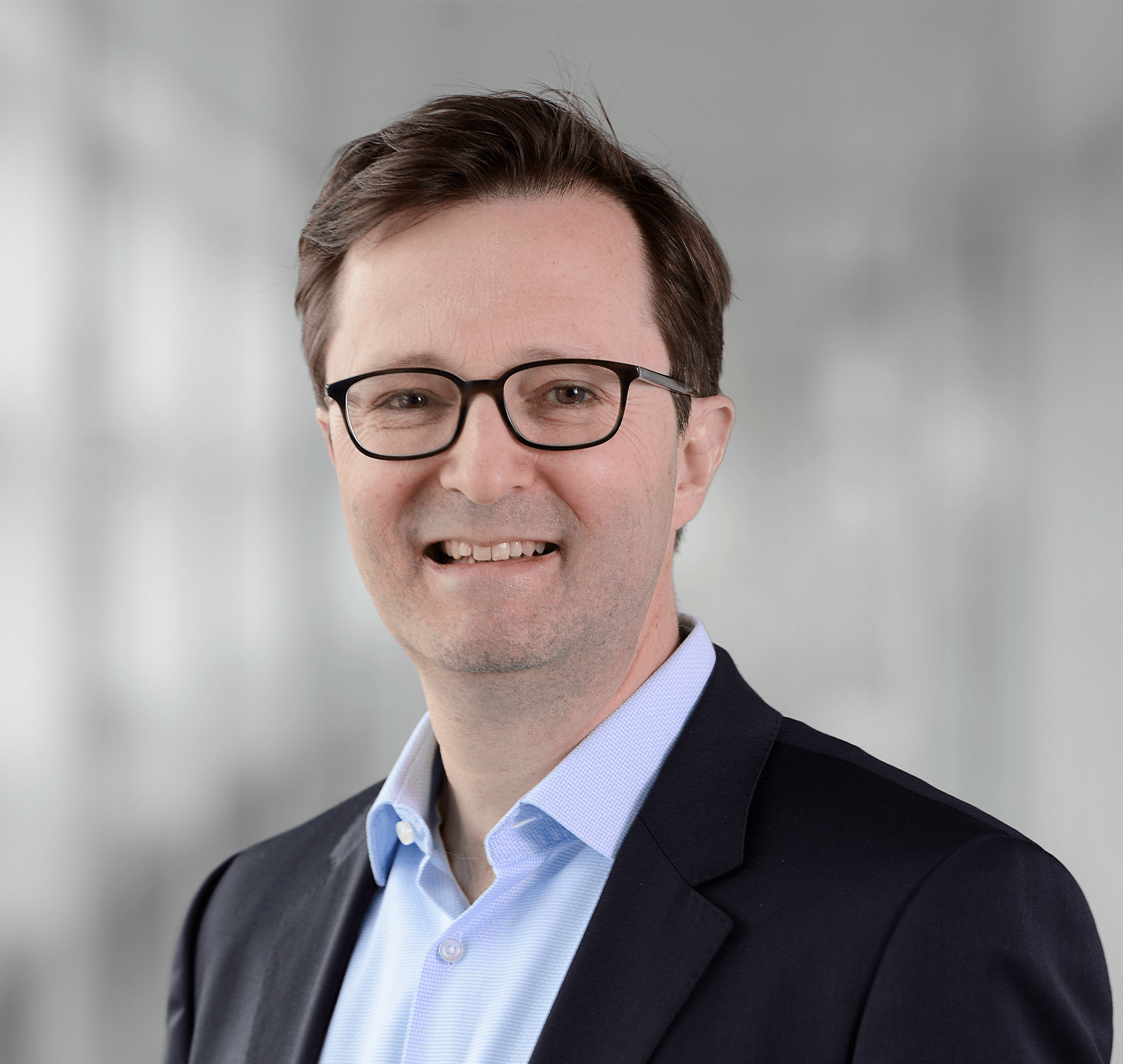
Andreas Wieser
6 months ago
Scientific Assistant in Engineering Geodesy (PhD Option) ETH Zürich in Switzerland
Degree Level
PhD
Field of study
Measurement Science
Funding
Full funding availableDeadline
December 31, 2026Country
Switzerland
University
ETH Zürich

How do I apply for this?
Sign in for free to reveal details, requirements, and source links.
More information can be found here
Official Email
Keywords
Measurement Science
Civil Engineering
Computational Physics
Spatial Analysis
Earth Science
Surveying
Geodesy
Robotics
Deformation Analysis
Laser Scanning
Point Cloud
Satellite Geodesy
Machine learning
About this position
The professorship of Geosensors and Engineering Geodesy (GSEG) at ETH Zürich is seeking a Scientific Assistant in Engineering Geodesy, with the option to combine the position with doctoral studies. The group conducts advanced research and teaching in geomonitoring, reality capture, high precision surveying, and geodetic data processing, with particular interests in deformation monitoring using point clouds, development of new measurement systems, and the application of classical and machine learning approaches to geodetic data. The successful candidate will contribute to research and teaching, focusing on terrestrial laser scanning, total station measurements for reality capture and deformation monitoring, or investigating and mitigating refraction effects in such measurements. Alternative research focuses within these areas are negotiable. The role involves designing and conducting experiments with commercial instruments and prototypes, performing numerical simulations and theoretical analyses, and collaborating with academic and industry partners. Teaching responsibilities include supporting practical exercises, supervising students in labs and fieldwork, and co-supervising bachelor’s or master’s theses. Additional service tasks may include consulting on software or instruments, managing group data, or organizing meetings. The position is initially for three years, with possible extension, and ideally starts by January 1, 2026. Applicants should hold or be about to complete an MSc in geodesy, surveying, geomatics, or a related technical field; graduates from robotics, computer science, or geosciences may also be considered if they have relevant expertise. Familiarity with terrestrial laser scanning, total station measurements, coordinate transformations, and geodetic network adjustment is preferred, but candidates with basic understanding are eligible. No extensive practical experience is required beyond basic programming and instrument use from academic labs. Experience in engineering, project management, or outdoor work is advantageous. For those interested in doctoral studies, strong analytical and data analysis skills are expected. Proficiency in German or English (C1 level) is required, with at least B1 in the other language or willingness to reach this level within a year. ETH Zürich offers a dynamic, international research environment, outstanding infrastructure, and opportunities for collaboration and professional development. Applications must be submitted online, including a CV, academic certificates, list of courses or competencies, and reference contacts. For questions about the position, contact Prof. Dr. Andreas Wieser at [email protected]. ETH Zürich is committed to diversity, equality, and sustainability, providing an inclusive and supportive environment for staff and students.
Funding details
Full funding including tuition fees and living expenses is available for this position. The scholarship covers all educational costs and provides a monthly stipend.
How to apply
Please submit your application including a cover letter, CV, academic transcripts, and contact information for two references. Applications should be sent via the online portal before the deadline.
Ask ApplyKite AI
Start chatting
Can you summarize this position?
What qualifications are required for this position?
How should I prepare my application?
Professors

How do I apply for this?
Sign in for free to reveal details, requirements, and source links.